Last updated: October 24, 2026
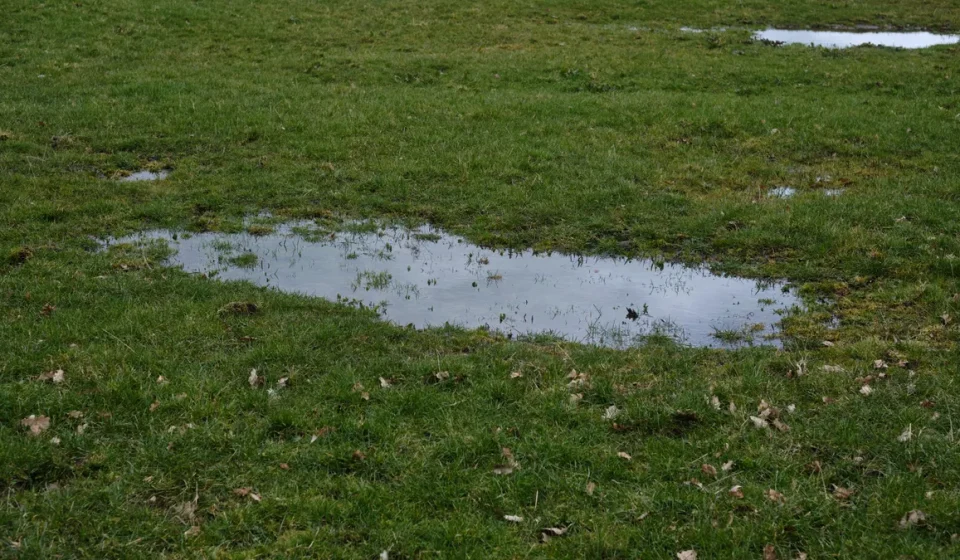
A wet patch beside a septic area is not automatically a drain field failure. More often, the culprit is something far less dramatic: sprinkler overspray, downspout discharge, surface runoff, high groundwater, or seasonal wetness. And that matters, because the wrong guess can send you into an expensive repair conversation when a downspout elbow or sprinkler head would fix it in 10 minutes.
The quick answer for wet yard water near a septic area
Near a septic area, water in the yard is not always a drain field problem. The safest first move is to rule out surface water before blaming the septic system. A wet patch that shows up after rain, after irrigation, or during spring thaw behaves very differently from one that appears with every shower and laundry cycle.
Think about it this way: location plus timing. Water that gathers at the low point of a yard, runs downhill in a thin sheet, or appears under a gutter line usually comes from the surface. Water that stays put after dry weather, especially in a strip over the drain field, deserves a closer look. Even then, it does not prove a failed field.
Most generic advice skips the ordinary causes, which is where people save time and money. A downspout sending water 8 to 10 feet from the house can saturate a strip of turf. A sprinkler head with a bad nozzle can throw water past its intended zone. Clay soil can hold moisture for days after a rain. Groundwater can rise high enough to keep the yard soft even when the septic system is doing its job.
Honestly, I would not jump to septic repairs first. If the yard water sits near the drain field but tracks with rain, irrigation, or snowmelt, the field may be innocent. If the pattern follows plumbing use and ignores weather, then the drain field moves up the list. Quick scan, slow conclusions.
What to check first before blaming the drain field

Start with the yard features that move water on purpose: sprinklers, downspouts, slopes, and gutters. They cause wet ground far more often than septic trouble, and they are usually faster to rule out than any drain field diagnosis.
Use this order:
- Turn off irrigation for 24 to 48 hours and watch the wet spot. If the ground firms up or shrinks, sprinkler overspray or a broken valve is a likely source.
- Look at downspouts during the next rain. If water exits right at the foundation or dumps into the same low area every time, extend the discharge away from the house by several feet.
- Trace the slope of the yard. If water naturally runs toward the septic area, surface runoff can collect there after even a modest storm.
- Check whether the wet area appears after a snowmelt or a long wet spell. Seasonal wetness often points to high groundwater, not a septic failure.
- Compare the wet spot with daily water use. If the yard stays damp no matter what you flush, run, or shower, the cause may be outside the septic tank and drain field altogether.
That sequence works because it separates visible water movement from guesswork. A hose running at 2 gallons per minute, a downspout dumping into a depression, or a sprinkler head misting 15 feet beyond the lawn edge all leave different clues. A drain field problem usually does not start with a roof stream or a spray pattern in the grass; it sneaks in another way.
The common mistake is to treat every wet patch as hidden sewage. Consult a licensed septic professional if the wet area persists or the odor changes, because local health departments and the EPA both advise careful evaluation before repairs. That mistake costs money and time. It also pushes people past the easy fixes that often solve the problem in one afternoon. A clogged gutter, a mis-aimed sprinkler, or a missing splash block can mimic something much worse.
Treat the yard water near a septic area as a drainage puzzle first, not a septic verdict. Consult a licensed septic professional if the pattern does not line up with rain, irrigation, or runoff, because the EPA’s septic guidance stresses that proper diagnosis depends on site conditions and system use. That is the right frame before anything else.
Can sprinklers make a drain field look failed?
Yes. Sprinklers can make a drain field look failed by keeping the same strip of ground damp every day, especially if the sprinkler throws water onto the septic area or overwaters a zone with heavy soil.
This is one of the most common false alarms, and the pattern can fool people fast. A sprinkler head that is tilted, broken, or fitted with the wrong nozzle can throw water in a 180-degree arc where it should cover only a 90-degree corner. A head that cycles for 20 minutes every morning can saturate shallow soil even when the septic system is fine. If the irrigation timer runs in the early morning, the ground may still look wet by midday, which makes the trouble seem constant.
Two clues usually point to irrigation rather than septic seepage. First, the wet area lines up with a sprinkler pattern or an overspray line on a fence, walkway, or mulch bed. Second, the wetness gets worse on days the system runs and improves after you shut it off for a day or two. A drain field issue usually does not follow your irrigation schedule that neatly.
The fix is often simple, but ignoring it can get expensive. People will inspect the septic tank lid, assume the field has collapsed, and call for pumping or repair before they move one sprinkler head. That is money spent on the wrong problem. Better to adjust the head, replace a bad nozzle, or reduce runtime and then watch the area for a full 48 hours.
I would still watch one wrinkle: a sprinkler can hide a real drainage issue. If the area is wet even after irrigation is off for several days, keep looking. Sprinkler water and septic water can overlap in the same low spot.
For technical background on septic system hydraulics, the EPA’s septic systems guidance and NSF/ANSI 40 references are useful starting points, especially when you need to separate irrigation effects from onsite wastewater concerns. The CDC also notes that standing water around onsite systems should be evaluated carefully, not guessed at.
Downspouts, runoff, and low spots that trap water
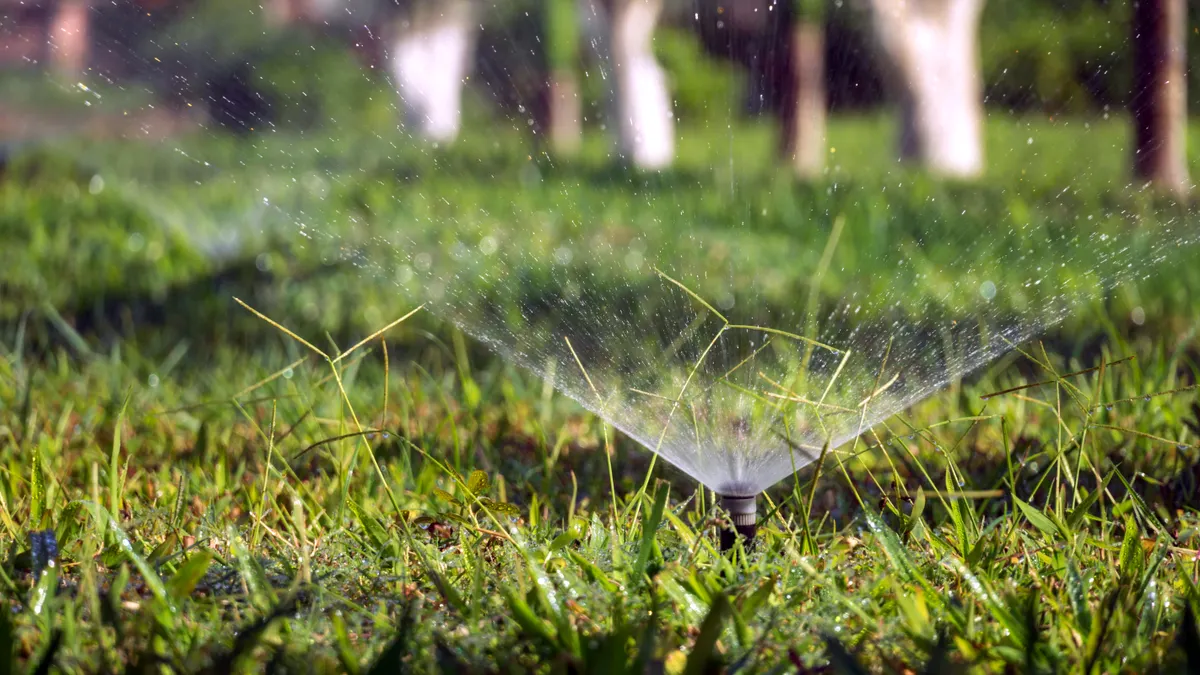
Downspouts, runoff, and low spots can keep the yard wet even when the septic system is working normally. That is especially true when roof water is discharged too close to the house or when the septic area sits downhill from the rest of the property.
A roof sheds a surprising amount of water in a short storm, and that water has to go somewhere. If a downspout ends at the foundation, water can soak the backfill and travel into the yard in a narrow, persistent band. If it empties into a shallow depression, the ground can stay soft for days. The same thing happens when a slope funnels stormwater across the drain field instead of around it.
This is where many homeowners get sidetracked by the shape of the wet spot. A septic drain field problem often gets blamed because the water is near the septic area, but the real cause may be upstream. A yard that receives runoff from a driveway, patio, retaining wall, or neighboring grade can stay wet even with a perfectly normal septic system. In heavy clay, the water lingers longer because the soil drains slowly. Mud wins here, plain and simple.
Move the water away from the problem area, not toward it. A downspout extension, splash block, or regraded shallow swale can redirect flow before it reaches the field. If water pools at the lowest point of the yard, the drainage fix has to happen uphill. A 6-inch depression can act like a bowl during a storm, and that bowl can stay wet long after the rain stops.
The trade-off is real: runoff fixes can expose a deeper issue if the yard still stays soggy after the surface water is handled. That is useful information, not a failure of the fix. It means the visible source was genuine, and whatever remains can be judged more accurately.
If the yard water in the septic area appears mostly after rain, this section matters more than any tank guesswork. That is the pattern to respect.
When high groundwater or seasonal wetness is the real cause
High groundwater or seasonal wetness can be the real cause, especially in spring, after long wet spells, or in yards with slow-draining soil. In those cases, the ground can stay saturated even though the septic system is not the source of the water.
This is the part generic advice often misses. The yard does not need to be flooded to have a groundwater problem. A spot that feels spongy for a week after snowmelt, or one that gets soft every wet season, may simply sit on soil that holds water near the surface. In some lots, the water table rises enough that the shallow ground cannot drain normally for a while. That can make the area over a drain field look suspicious because the field and the wet yard occupy the same location.
Seasonal wetness has a rhythm. It comes and goes with weather, snowmelt, and soil conditions. It tends to affect broader areas, not just one line or one lid. It often shows up after several inches of rain, or after the ground has been frozen and then thawed. If the yard gets firm again during a dry stretch, that is a strong clue that weather is driving the moisture.
The mistake here is to treat every spring puddle as a septic emergency. Consult a licensed septic professional if the wet area lingers or expands, because the EPA recommends looking at the full site before deciding that a drain field has failed. That can lead to unnecessary pumping or repair calls when the real issue is the season. The other mistake is to ignore groundwater entirely because the yard dries out later. A yard can look fine in August and still have a seasonal water table problem in March.
The right response is observational, not dramatic. Track when the wetness appears, how long it lasts, and whether it matches rain, thaw, or irrigation. A simple notebook entry with date, weather, and location can be more useful than guesswork. If the ground is wet only during one season, that pattern matters more than the panic it creates.
How to sort out yard water from septic seepage
Yard water from septic seepage is more likely when the wet area does not match weather, irrigation, or runoff and instead stays tied to household water use. That distinction is the main thing a homeowner needs before deciding whether the septic system deserves attention.
Use these clues together:
- Weather link: rain, snowmelt, or irrigation points toward surface water.
- Location: a spot under a gutter, beside a slope, or near a sprinkler pattern points away from the drain field.
- Timing: wetness that follows showers, laundry, or repeated toilet use deserves more attention.
- Duration: water that lingers for days after a dry stretch is more concerning than water that clears after one afternoon.
- Coverage: a broad soft area is more often a drainage issue; a narrow, repeatable patch over the field is more suspicious.
A useful field check is to pause nonessential water use for 24 hours and see whether the pattern changes. Do not run a dishwasher or long laundry cycle during that window if you can avoid it. If the yard looks the same during a dry spell with no irrigation and no rain, the septic system moves up the list. If the spot shrinks or disappears, surface water is more likely.
This is also where homeowners sometimes overcorrect. They stop flushing, obsess over every puddle, and still miss the obvious gutter or sprinkler issue. The goal is not to prove a drain field is fine. The goal is to rule out the easy causes before treating the septic area as guilty by default.
For homeowners using a septic system, the most practical next step is to compare the wet area with the weather and with water use over 2 or 3 days. That short window is often enough to separate a yard drainage problem from a septic-related one.
What I would do before calling a septic contractor
I would check the surface water first, document the pattern for 48 hours, and only then call for septic help if the wet area still behaves like a drain field problem. That sequence avoids the most common false alarm and gives the contractor better information if you do need one.
Here is a clean order that works:
- Shut off irrigation for 1 to 2 days.
- Observe the wet spot after no rain, no snowmelt, and no sprinkler use.
- Redirect any obvious downspouts that dump near the area.
- Note whether the wet ground aligns with a low spot, a gutter line, or a sprinkler arc.
- Compare the pattern with household water use over a full day.
If the wetness still stands out after those checks, the septic area deserves a closer look. If it fades, you likely found a yard water problem instead of a drain field problem. That distinction saves money and keeps the real issue from getting buried under assumptions.
The honest limitation is that a homeowner can rule out a lot, but not everything. Soil type, groundwater, and the layout of the drain field can make the pattern hard to read. A yard can hold multiple problems at once: a downspout, a sprinkler, and a saturated drain field can all exist together. That is why the first pass should be about eliminating obvious non-septic sources, not proving a perfect diagnosis.
I would not use this guide as a substitute for a licensed septic evaluation if the yard stays wet after the easy checks. The point is to avoid a bad first diagnosis, not to pretend every wet yard can be solved with a shovel and a guess.
Key Takeaways
- Wet ground near a septic area is not automatically a drain field failure.
- Sprinklers, downspouts, runoff, high groundwater, and seasonal wetness are common lookalikes.
- Weather timing matters more than the size of the puddle.
- If irrigation is off and the area is still wet after a dry spell, the septic system deserves more attention.
- The best first move is to rule out surface water before paying for septic work.
Can sprinklers make a drain field look failed?
Yes. Sprinklers can keep one section of turf wet enough to resemble a septic problem, especially when a head is misaligned or a zone runs too long. A 20-minute daily cycle can mask the real source. Shut the irrigation off for 24 to 48 hours and see whether the wet patch shrinks or disappears.
How do you tell yard water from septic seepage?
Yard water usually follows rain, runoff, sprinkler use, or snowmelt, while septic seepage tends to stay tied to household water use and keeps showing up in dry weather. The first clue is timing. The second is location. A gutter line, low spot, or sprinkler arc points away from the septic system.
Drafted with AI; not yet reviewed by a person.