How to Prevent Erosion and Ponding Above a Septic Drain Field

Last updated: October 21, 2026
Quick answer: To prevent erosion and ponding above a septic drain field, keep roof water and hillside runoff off the area, maintain a shallow crown, and fix low spots quickly. Surface drainage control is the fix when rainwater is washing soil away or sitting on top of a septic drain field. The goal is simple: keep clean surface water moving away from the field so the soil can absorb wastewater the way it was designed to.
Key takeaways
- Stop roof water and hillside runoff before it reaches the drain field.
- Keep the field crowned and covered with shallow-rooted grass, not bare soil.
- Fix settling and ruts fast, because low spots turn into ponds.
- Use swales and downspout diversion to move surface water around the field, not across it.
- If the grade is wrong or the ponding keeps returning after a storm, the drainage design needs a contractor, not more mulch.
Start by reading the ground: what the field needs first
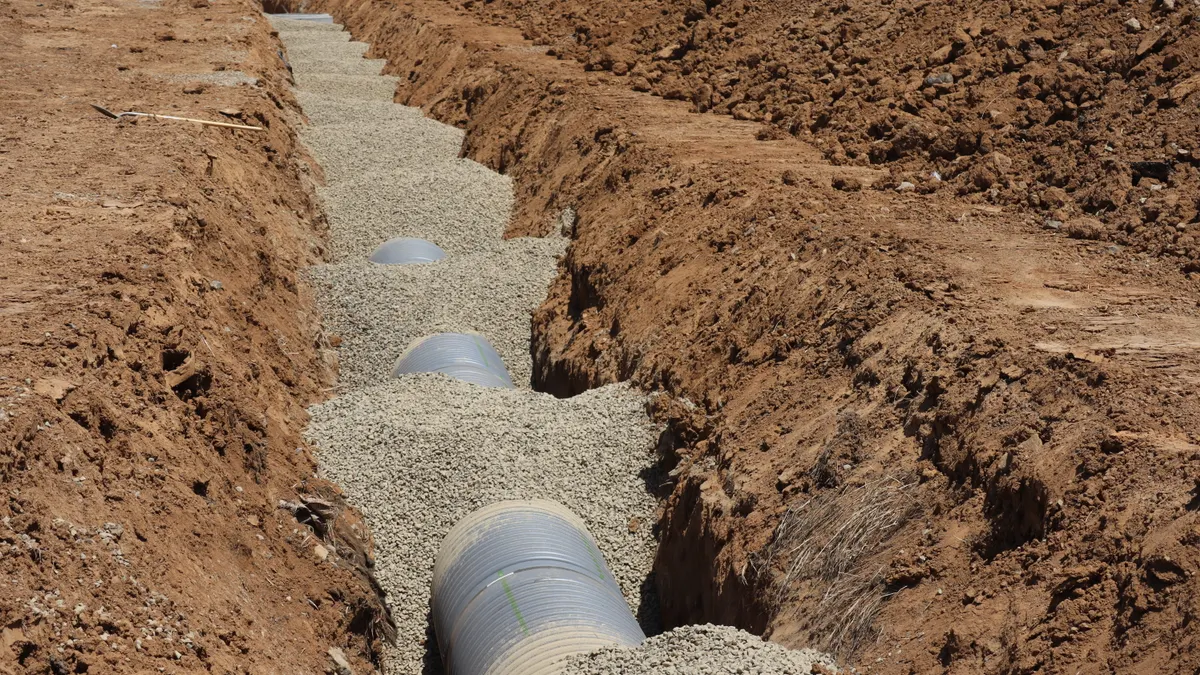
How to Prevent Erosion and Ponding Above a Septic Drain Field starts with separating surface water from the septic drain field. That means the area above the field needs a stable grade, a thin living cover, and no direct runoff from roofs, driveways, or uphill slopes. A field that stays damp for hours after a storm is already telling you something is wrong with the drainage pattern, even if the septic system itself is still working.
Walk the site after a hard rain or during snowmelt. Look for three things: water entering from above, water crossing the field, and water collecting in low spots. If you see a channel cut by runoff, a patch of bare soil, or a shallow depression that holds a few inches of water, those are not cosmetic problems. They change how fast the soil can breathe and how evenly it can absorb effluent.
This is also where the limit is important. Surface drainage control helps with ponding caused by rainwater and grading problems. It is not a cure for a saturated drain field, a damaged pipe, or a clogged septic tank outlet; consult a septic professional if the problem persists or appears to involve the system itself. If the field ponds only after big storms, drainage is the place to start. If it ponds in dry weather too, stop treating it like a landscaping issue and get professional help.
A good rule is to keep heavy traffic off the field while you assess it. Pick one dry day, mark the wet spots, and note whether the water comes from the roof, a slope, or the ground itself. That simple map tells you which step matters most.
How do you stop erosion around a septic drain field?
You stop erosion around a septic drain field by slowing water before it reaches bare soil, then giving the soil a stable cover that can hold in place. In practice, that means fixing the slope, protecting the surface, and routing runoff away from the field rather than letting it cut across it.
-
Restore a gentle crown or even grade over shallow low spots. Add screened topsoil in thin lifts, not in one deep pile, and shape it so water sheds away without creating a steep slope. A field that has settled only 1 to 2 inches in a few places can often be corrected this way. When it works, water no longer sits in a saucer-shaped dip after rain.
-
Seed or sod with shallow-rooted grass. Use a cover that holds the soil but will not invade the drain lines. The surface should look evenly green within a normal growing season, not patchy and bare. Bare spots invite splash erosion every time a storm hits.
-
Keep mulch, bark, and loose stone off the field. Those materials can wash downhill and expose the soil underneath. A living grass cover is usually better than a decorative surface that shifts.
-
Add erosion control on the down-slope edge if needed. A shallow berm or a properly shaped swale can slow water before it leaves the area. The result you want is water moving in a controlled line, not cutting a trench.
-
Avoid compacting the surface. Even one pass with a mower when the soil is soft can leave ruts. Compaction reduces infiltration and makes erosion worse the next time it rains.
A bad erosion job usually shows up fast: exposed roots, gullies, or a crusted surface that sheds water instead of absorbing it. If that happens after a repair, the grade was likely shaped too steeply or the soil was left too loose. A field needs a firm, lightly crowned surface, not a pile of fluffy fill.
Route roof water away before it ever reaches the field
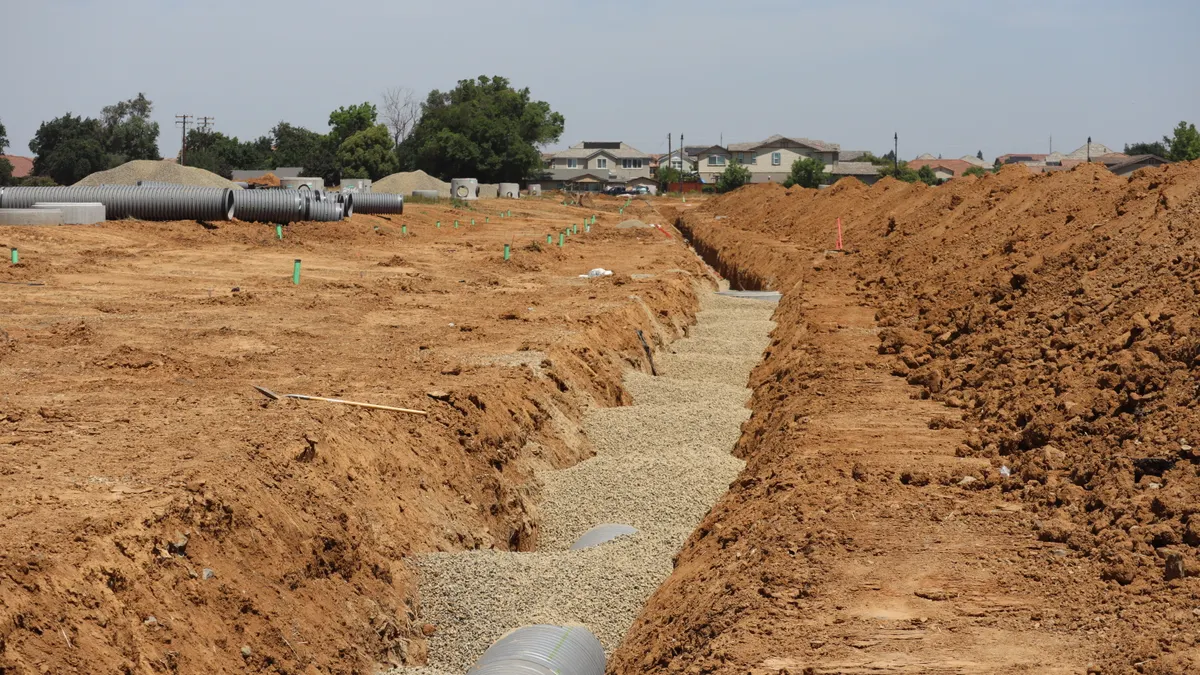
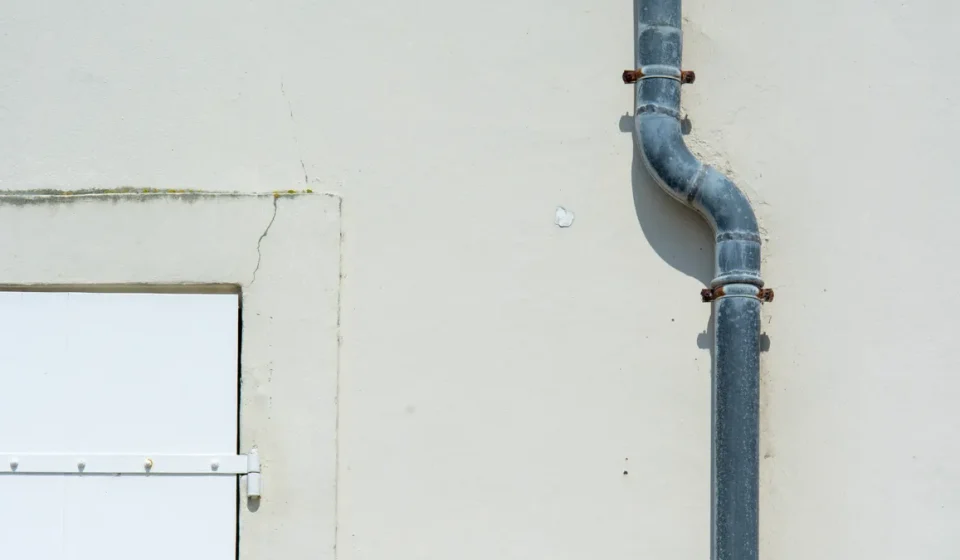
Downspouts should empty well away from the septic drain field, because roof water is one of the easiest sources of avoidable ponding. If you send a whole roof’s runoff onto or near the field, you are asking the soil to handle stormwater and wastewater at the same time. That is the wrong load.
Start at the gutters. Make sure they are not overflowing at the corners, and check that each downspout discharges to a place where water can move away from the field without running back toward it. A simple extension often solves the immediate problem if the downspout is dumping beside the field. The goal is not to create another drainage problem in the yard; it is to keep clean water out of the septic area entirely.
If the lot slopes toward the field, the downspout route matters even more. Extend the discharge point beyond the field’s influence or into a drainage route that sends water safely downhill. If the extension is short, the water may still return by surface flow. A few feet can matter, but the right distance depends on the lot grade and where the water naturally wants to travel.
Watch for these common mistakes:
- Downspouts dumping at the uphill edge. That water often runs straight across the field and erodes the topsoil.
- Flexible extensions left to wander. They get kicked aside, crushed by mowing, or disconnected.
- Outlet points aimed at a low spot. That creates a second puddle and solves nothing.
When this part is done right, you should see roof water disappear from the field after the next storm. If the field still ponds but the downspout issue is fixed, the remaining problem is likely grade, settling, or uphill runoff.
Shape swales that carry surface water around, not through, the septic area
A swale should intercept runoff above the field and move it around the system in a shallow, controlled channel. It is not a ditch cut straight through the yard. Done well, it protects the septic drain field from hillside water and keeps the topsoil from washing away.
The key is gentle shape. A swale that is too deep or too steep can become its own erosion channel. A shallow swale with a stable bottom is better than a trench. In many yards, a good swale is just enough to catch sheet flow and guide it to a safer outlet. If the swale crosses a slope, it should do so in a way that slows water, not accelerates it.
This is where soil type matters. Sandy soil may absorb some redirected water easily; tighter clay or a hard-packed subsoil may still move water along the surface. If the soil is tight, the swale needs a careful outlet so water does not back up and spill toward the field. That is one reason many drainage fixes need site-specific judgment.
Use swales for surface water, not septic effluent. That distinction matters. The swale is there to handle rainwater from uphill ground, not to mask a failed field or route anything into a septic component.
A swale is wrong for a yard where:
- the slope is too steep to hold a shallow channel,
- the outlet would send water to a neighbor’s property,
- or the field is already saturated year-round.
In those cases, the fix may need a drainage contractor or a septic professional who can look at the full site. A good swale should leave the field drier after rain and should not create a muddy cut line through the yard.
Fix settling before it becomes a pond
Soil settling above a septic drain field should be corrected with thin lifts of topsoil before it becomes a permanent basin. Settling is common after construction, after a repair, or after a wet season, and it often shows up as a depression that catches the first half-inch of runoff.
The right move is modest fill, not a big dump of soil. Add screened topsoil in layers and feather it into the surrounding grade. A few inches is often enough to remove a shallow birdbath low spot. The surface should end up smooth enough that water sheets across it instead of gathering in the dip. If the area is a real bowl, the fill is too little or the slope is still wrong.
Do not use clay-heavy fill on top of a drain field if you want the soil to absorb water. Clay can seal the surface and make ponding worse. Do not bury the field under extra fill either. The system still needs air exchange at the surface and the proper cover depth the installer intended. Too much fill can create a wet lid.
Here is the trade-off: light topsoil correction is a maintenance job, but repeated settling can point to poor compaction, bad fill material, or a site that was never graded correctly. If the same depression returns every season, the issue is not just the top inch of soil.
The signs that the settling fix worked are practical. The depression disappears, mower tires stop leaving the same rut, and water no longer sits in that one spot after a normal rain. If you still see ponding in the exact same place after the grade has been corrected once, the drainage path above the field is probably still sending water there.
What a bad drainage job looks like, and what it costs you
A bad drainage job around a septic drain field usually makes the area look neater for a week and worse for a year. The common failure is trying to “landscape” over the problem instead of controlling surface water. A thick layer of mulch, a steep decorative berm, or a trench that concentrates flow can all turn into erosion channels.
The cost is more than appearance. Standing water can keep the field surface wet, shorten the time it has to recover after rain, and make the topsoil unstable. Erosion can expose pipes or fittings, while rutting can create new low spots that hold water even longer. Once the ground starts moving, each storm tends to widen the damage.
The fix you want is boring and functional:
- regrade only where needed,
- use topsoil in thin lifts,
- keep downspouts off the field,
- and route runoff with a shallow swale or equivalent drainage path.
What this page is not for: choosing the best plants, deciding whether the drain field is failing, or diagnosing a clogged septic system. Those need separate answers. This page is for surface drainage control, not for internal septic repair.
If you are getting bids, ask every contractor the same things: what they will do with roof water, where the runoff will go, how they will handle settling, and how they will avoid compacting the field. Ask for the drainage path in plain language. If they cannot explain where the water will travel during a 1-inch rain, the plan is incomplete.
For broader placement and planting guidance, the hub article on septic system landscaping around drain fields is the better next stop.
When to call a drainage contractor instead of fixing it yourself
You should call a drainage contractor when the grade, runoff path, or soil movement is bigger than a simple topsoil correction. If the field sits at the bottom of a slope, if downspout water from multiple roof lines converges there, or if ponding returns after every storm, the site needs more than a rake and a shovel.
A contractor is the better call when:
- the field is lower than the surrounding yard by several inches,
- a swale needs to cross a slope or tie into another drainage feature,
- soil keeps washing out even after reseeding,
- or you are unsure where runoff should exit the property.
That does not mean every job is large. Some fixes are small enough to finish in a few hours with topsoil, a shovel, and downspout extensions. Others need equipment because the yard is already shaped wrong. The difference is whether water can be redirected without creating a new erosion line or sending runoff onto another part of the site.
Ask about timing, too. A drainage correction is easier when the soil is dry and firm. Wet ground tears up fast, and a machine on soft soil can make the depression worse before the fix even starts. If the contractor wants to work during saturated conditions, ask why.
Because of that, the best sign of a good plan is simple: after a storm, water leaves the area cleanly, the field stays covered and intact, and no new low spot forms where the work was done.
Why does water pool over a drain field?
Water pools over a drain field when surface water cannot move away fast enough or when the ground has settled into a low spot. Roof runoff, uphill flow, compacted soil, and a missing crown all make ponding more likely. If the pooling happens only after storms, surface drainage is the first thing to fix.
Can runoff damage a leach field?
Yes, runoff can damage a leach field by eroding topsoil, creating ruts, and keeping the surface too wet for normal absorption. Clean rainwater should stay out of the field as much as possible. If roof water or hillside water keeps crossing the area, the soil loses its ability to drain evenly.
How do you stop erosion around a septic area?
Stop erosion by slowing water, stabilizing the soil, and keeping the surface lightly graded. Use topsoil to remove shallow depressions, seed or sod the area, and route runoff with downspouts or a shallow swale. Avoid heavy mulch, steep berms, and compacted bare soil, which usually make the problem worse.
Drafted with AI; not yet reviewed by a person.