Septic System Landscaping & Surface Protection — The Complete Guide

Last updated: October 24, 2026
Quick Answer: For most homes, septic system landscaping & surface protection works best when the area stays light, shallow-rooted, and easy to access. A basic turf-only approach is often the lowest-risk option, and a drainfield’s usable surface should stay clear of heavy loads, deep digging, and water runoff.
Key Takeaways
- Keep septic areas shallow-rooted, light, and easy to reach.
- Protect the field from weight, runoff, and roots.
- Grass is usually the default; low non-woody plants can work if the layout allows.
- Surface protection means preserving access, not paving over the system.
Septic system landscaping & surface protection is not about making the yard pretty first; it is about keeping the tank, pipes, and drainfield alive while the property still looks finished. If roots, heavy loads, or bad drainage reach the system, the repair can move from mulch and grass to excavation, replacement, and a long permit process. For homeowners deciding who to call, the real question is simple: who can shape the yard without crushing the system underneath it?
This Septic System Landscaping & Surface Protection — The Complete Guide also has a practical side for homeowners choosing between lawn, beds, and hardscape. If you are working from a site plan, septic system landscaping & surface protection starts with the underground layout, not the surface design.
I write about site conditions, drainage, and the way buried utilities fail when surface work goes wrong. That matters here because septic system landscaping & surface protection is only “landscaping” until someone drives a skid steer across the drainfield or plants a tree with a root system that belongs nowhere near it.
What septic landscaping actually has to protect
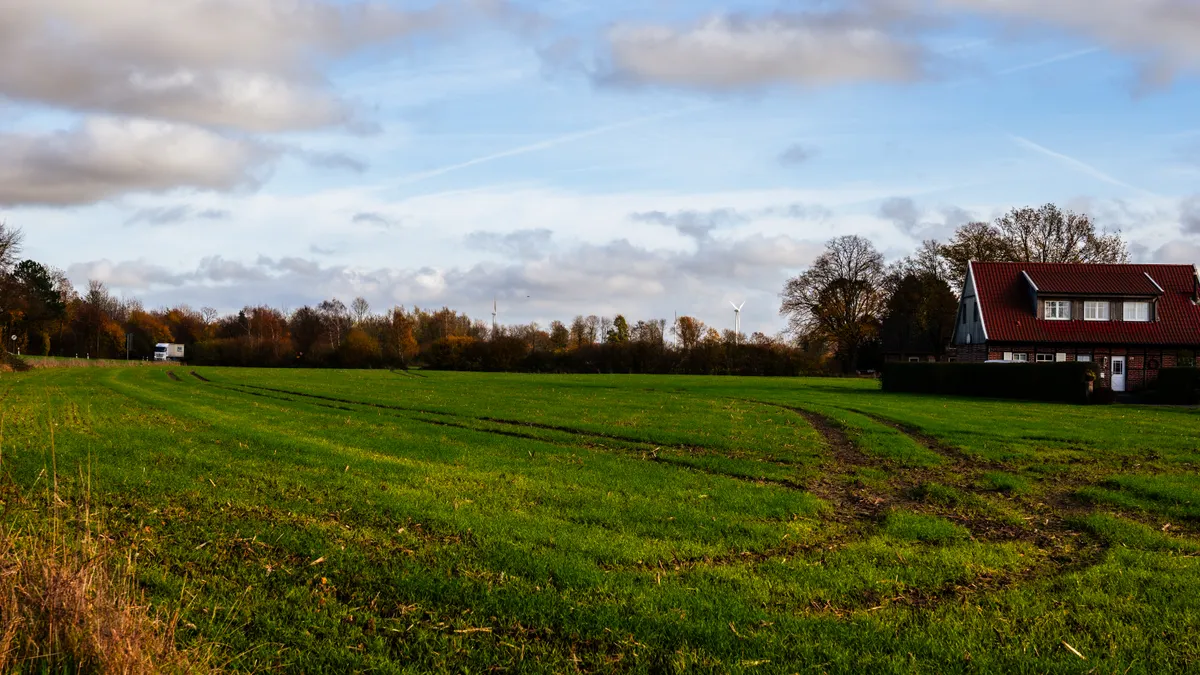
Septic landscaping has one job: keep the area above the tank, pipes, distribution box, and drainfield light, shallow-rooted, and easy to access. The surface is not decorative real estate. It is a working part of the system.
A proper plan protects three things at once:
- Soil structure. A drainfield depends on pores in the soil to move and treat effluent, but exact conditions vary by site, so homeowners should confirm the layout and restrictions with a septic professional before changing the grade or planting. Compaction from trucks, paving, retaining walls, or repeated foot traffic reduces that pore space. EPA homeowner guidance is a useful starting point: https://www.epa.gov/septic
- Access. The tank lid, inspection ports, and cleanouts need to be reachable for pumping and troubleshooting, so check local rules and talk with a septic professional before burying or covering anything. Buried lids under stone, decks, or dense shrubs create extra labor every time the system needs service.
- Water balance. Downspouts, yard grading, and irrigation can add water where the system already receives wastewater. A saturated drainfield can slow disposal and create surface seepage.
The hard rule is this: the area over the tank and drainfield should stay in shallow-rooted vegetation, not permanent structures. That is the same basic guidance given by public health and extension sources, including the U.S. Environmental Protection Agency’s septic guidance and many state extension programs. EPA’s homeowner page on septic systems is a useful starting point: https://www.epa.gov/septic
The common mistake is treating the drainfield as “unused lawn.” It is not unused. It is a subsurface treatment area with clearance rules, maintenance needs, and soil conditions that can be damaged by ordinary landscaping choices, so verify the site-specific limits with a septic professional before you plant or build.
The difference between a safe yard and a problem yard
A safe septic yard keeps weight off the field, directs runoff away from it, and uses plantings that won’t search for pipes. A problem yard does the opposite, usually without looking dangerous at first.
The real difference in practice
| Criteria | Safe septic landscaping | Problem landscaping | Winner for this condition |
|---|---|---|---|
| Plant type | Grasses, low groundcovers, shallow-rooted perennials | Trees, large shrubs, aggressive vines | Safe landscaping for drainfield areas |
| Soil disturbance | Light hand tools, limited digging | Deep excavation, rototilling, trenching | Safe landscaping when septic components are shallow |
| Surface load | Mowers, foot traffic, light equipment only | Cars, trailers, sheds, pools, retaining walls | Safe landscaping in all septic zones |
| Water control | Downspouts and grades moved away from field | Water directed onto the field | Safe landscaping on wet lots |
| Access to lids | Marked and reachable access points | Hidden under stone, decking, or planting beds | Safe landscaping for maintenance |
| Root pressure | Minimal near tank and lines | Large roots near joints and lids | Safe landscaping on older systems |
| Long-term upkeep | Mowing and trimming only | Replacing roots, lifting pavers, digging out covers | Safe landscaping for low-maintenance owners |
| Aesthetic flexibility | Moderate, but limited by protection zones | High, but risky | Problem landscaping only if the area is not over septic infrastructure |
The important judgment is this: the “best-looking” option is the wrong one if it asks the soil to carry too much load or puts woody plants too close to buried components. A decorative patio over a drainfield is not an upgrade. It is a gamble with expensive consequences.
The state-specific part matters. In wet climates, the margin for error is smaller because the soil may already be near saturation much of the year. In freeze-prone regions, snowmelt and frost heave can change grading and expose lids. In clay-heavy soils, compaction and drainage problems show up faster than in sandier sites.
What can be planted over a septic drainfield?
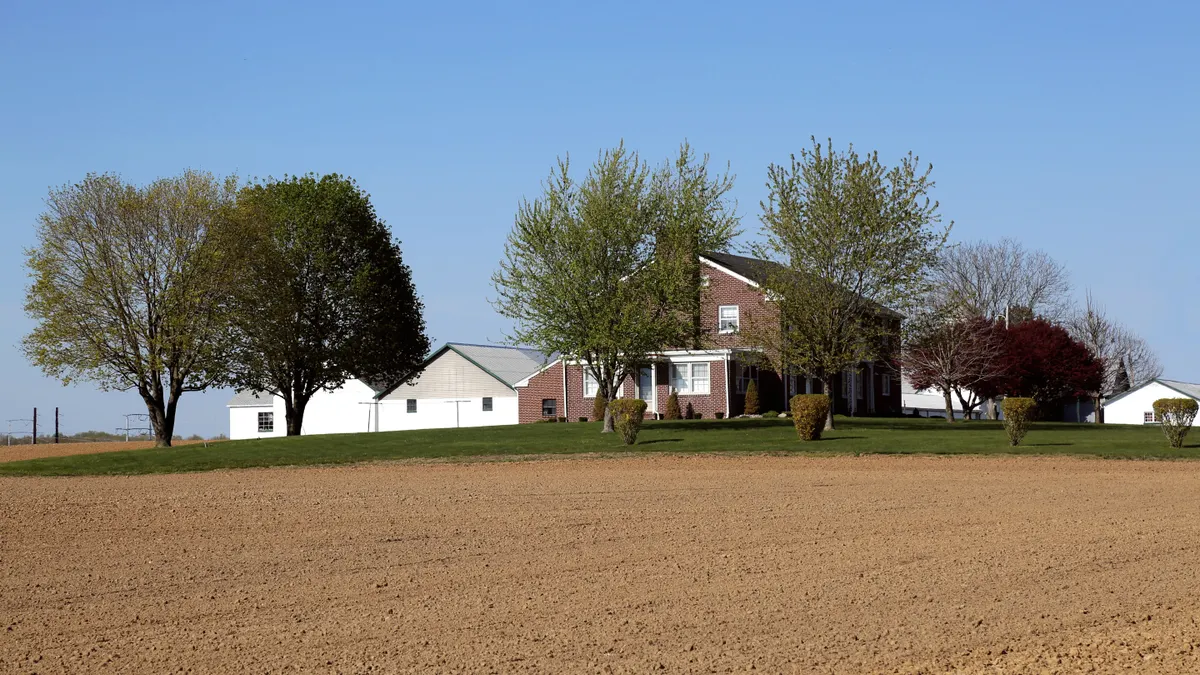
Grass is the safest default in many layouts, and low, non-woody plants are the next best choice if the system layout allows them. That is the answer most homeowners need because a drainfield is not the place for shade trees or anything with a deep, aggressive root system.
Best choices for the surface layer
A drainfield usually does well with:
- turfgrass or native grasses
- clover-type low groundcovers where allowed
- shallow-rooted perennials
- low ornamental grasses with modest root mass
- mulch only in thin layers, and only where it does not block access
These choices work because they spread roots near the surface without sending large woody roots into the soil around the lines. They also keep the area mowable, which is useful when access points are mapped and labeled.
What to avoid
The plants and features to keep away from septic components are the ones that bring roots, weight, or excavation:
- trees of almost any kind near the tank or field
- large shrubs with woody root systems
- bamboo and similar invasive spreaders
- vegetable beds that require deep tilling
- raised planters over access lids
- ornamental boulders that require heavy equipment to place
- fountains, ponds, and irrigation heads that keep the soil wet
The common landscaping mistake is “just one small tree.” A small tree today becomes a root search problem in a few years. The roots do not care that the tree was planted as decoration.
The best approach is usually to mark the septic components before planting anything. If the tank lid or drainfield layout is uncertain, a contractor or septic service company can help locate the system before the yard is reworked. That is especially important on older properties where records are missing or the terrain has changed since installation.
For homeowners who want a cleaner look without risking the system, the safer compromise is a low, mowable bed with shallow-rooted plants and a clearly visible access point. It is not as dramatic as a layered landscape, but it respects the underground system that the yard depends on.
How to protect the surface without damaging the system
Surface protection means keeping the top of the system usable and intact, not armoring it like a driveway. The least visible option is often the most protective, but local conditions and service access still matter.
A septic-safe surface plan should do four things:
- Keep weight light. Mowers are fine. Vehicles are not. Even a short driveway extension over the drainfield is a bad trade.
- Keep water moving away. Downspouts, sump discharge, and grading should send runoff to the right part of the lot.
- Keep roots shallow. Plant what can live without searching for buried plumbing.
- Keep access visible. Mark lids and cleanouts before the grass grows back.
Mulch, stone, and pavers: the honest trade-off
Mulch can help suppress weeds and define the area, but it should stay shallow and should not hide access points. Decorative stone creates a more finished look, but it can make maintenance harder and can tempt people to assume the area is “protected” enough for hardscape. Pavers are the riskiest of the common decorative choices because they invite a permanent, load-bearing surface where the system needs access and air exchange.
The right question is not “Can I put it there?” The right question is “What happens when the tank needs service in 3 years?” If the answer involves removing a built feature, the feature is probably in the wrong place.
Drainage work matters as much as planting
A lot of septic trouble starts above the field, not inside it. Gutters that dump beside the drainfield, a yard that slopes toward the tank, or irrigation lines that run too long near the system can create conditions the soil cannot recover from quickly.
If the property is on a slope, grading work should be done carefully and within local rules. Cut too much and water can run faster toward the system. Build too much and you can trap water where it needs to disperse. On a wet lot, this is not a cosmetic issue; it is a function issue.
A good landscaping contractor should know when to stop short of the septic components and should be willing to coordinate with a septic installer or service tech if the layout is unclear. If the contractor does not ask where the tank, lines, and reserve area are, that is a warning sign.
How much does septic-safe landscaping usually cost?
The cost depends mostly on how much of the yard has to be reworked, whether the septic layout is already mapped, and whether the plan includes drainage correction. There is no honest flat price for all properties.
A small, septic-safe refresh with grass repair, shallow plantings, and basic grading will usually cost much less than a full hardscape redesign. Once the project includes drainage changes, access lid relocation, root removal, or septic system adjustments, the price moves up quickly. That is because labor is not the only cost driver; uncertainty is.
What changes the price most
- Site access: narrow side yards and tight slopes take longer.
- Layout knowledge: if the tank and drainfield are already marked, planning is easier.
- Soil condition: wet, compacted, or rocky soil slows work.
- Plant size: mature shrubs and trees cost more to remove or relocate.
- Drainage fixes: swales, regrading, and downspout extensions add labor.
- Code requirements: some localities require permits or specific setbacks.
For a homeowner deciding who to call, the useful estimate is not the cheapest quote. It is the quote that clearly separates the landscaping work from anything that could affect the septic system itself. If a contractor casually includes excavation near the drainfield without asking for a system map, the estimate may be incomplete.
A well-written bid should say what happens to access lids, how the contractor will avoid compaction, and whether the work includes marking the tank and field before equipment arrives. If that information is missing, the low number may become the expensive one later.
Who should hire a landscaper, and who needs a septic specialist first?
A landscaper should handle the job when the work is limited to shallow planting, light grading, grass repair, and simple surface cleanup around a known septic layout. A septic specialist should be involved first when the system is unmarked, the yard has standing water, the lids are buried, or the project touches the field itself.
Hire a landscaper first if:
- the tank and drainfield are already located
- the work stays aboveground or near-surface
- the plan is limited to turf, mulch, edging, and small plantings
- the yard has no signs of failure or surfacing effluent
Hire a septic professional first if:
- you do not know where the tank or drainfield is
- the ground is soft, soggy, or smells like wastewater
- access lids are buried or damaged
- you want to add a patio, driveway, pool, shed, or retaining wall near the system
- the system is older and there is no clear record of its layout
This is where a generic landscaping article gets it wrong: it acts as if a contractor can simply “work around” the septic system. That is not always true. Some projects are surface-only. Others are site work that can affect a regulated system. The difference matters because the wrong contractor can create the exact problem the work was meant to solve.
A septic specialist is also the better first call if you need the reserve area protected. Many properties have a designated replacement area that should stay as undisturbed as possible. If that area gets planted with permanent features, the future repair path narrows fast.
What are the warning signs that a landscaping job hurt the septic system?
A bad septic landscaping job often shows up as water, smell, or sinking ground. Those signs can point to a septic issue, a drainage issue, or both.
Watch for:
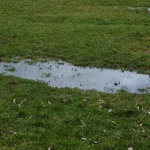
- standing water over or near the drainfield after ordinary rain
- grass that is unusually green in a defined strip or patch
- sewage odor outside near the tank or field
- wet, squishy soil where the ground should be firm
- sunken soil or depressions over buried components
- cracked lids, exposed pipes, or shifted access covers
- foundation runoff or downspout discharge aimed at the system
These are not cosmetic problems. They can mean the drainfield is overloaded or that surface changes are forcing water into the wrong place. If the issue started after landscaping work, stop adding water and stop driving over the area. Then call a septic professional before more surface work is done.
A bad job also looks sloppy in practical ways. The access lids are invisible, the tank location was never marked, and the contractor left heavy ruts over the field. That is a workmanship problem even before the septic symptoms appear.
The first response should be diagnostic, not decorative. Regrading over a failing field without understanding why it is wet can hide the symptom and leave the cause untouched.
When is the safer choice to leave the area plain?
Plain lawn is the right choice when the septic layout is tight, the soil is fragile, or the owner wants the lowest-risk maintenance plan. That answer disappoints people looking for a showpiece yard, but it is often the smartest long-term choice.
Choose plain turf or very low groundcover when:
- the drainfield is close to the surface
- the lot is small and the system occupies much of it
- the soil is clay-heavy or easily compacted
- the yard is used by delivery trucks, contractors, or RVs
- the home is in a wet climate with slow drainage
- future septic replacement access needs to stay open
This is the point where the verdict usually becomes clear. If the lot can support only a few safe options, restraint is not a compromise; it is the plan. A simple, mowed surface with clearly marked access points may be less dramatic, but it is also less likely to turn into a repair bill.
The real failure mode here is overdesign. A homeowner wants the septic area to disappear, so the landscape becomes denser, heavier, and harder to access. That is exactly backward. The less visible the septic system is, the more important it becomes to protect it in plain sight.
The verdict: what to choose and what to skip
Choose shallow-rooted planting, light surface treatment, and visible access if the system is mapped, the soil drains well, and the yard only needs a finished look. Choose a septic specialist before any redesign if the field is unmarked, wet, or close to the area you want to hardscape. Neither if the plan requires a driveway, patio, pool, shed, or mature trees over the tank or drainfield.
That is the clear call. The safest septic system landscaping & surface protection is restrained, readable, and easy to service. The wrong choice is usually the one that looks best on day one and causes the most trouble on year five.
What to ask before you hire anyone
The right questions expose whether the contractor understands septic limits. Ask these before any work starts:
- Where is the tank, drainfield, and reserve area on this property?
- How will you protect those areas from compaction?
- What plants do you recommend that stay shallow-rooted?
- Will any lids or cleanouts remain accessible after the job?
- How will downspouts and grading move water away from the system?
- Do you need a septic company involved before you dig?
- What gets removed if access to the tank is needed later?
A good contractor answers these without guessing. A weak one says the septic system is “not a big deal” or treats it like a buried obstacle to work around. It is a big deal. It is the reason the yard exists in the first place.
Where to get reliable guidance before you dig
Start with local public health or environmental health departments, because septic rules are local and setbacks change by jurisdiction. Then check a reputable extension source that addresses septic drainage and planting around on-site systems. The U.S. EPA’s septic guidance is a solid general reference, and state extension services often have more precise planting advice for local soils and weather patterns: https://www.epa.gov/septic
If the property is near a shoreline, in a flood-prone area, or on a steep slope, local rules matter even more. Those are not minor details. They can decide whether a project is allowed at all, and they can change what counts as a safe surface finish.
The best septic system landscaping & surface protection is the kind nobody has to think about after the job is done: shallow roots, light traffic, clear access, and no surprises under the soil.
Drafted with AI; not yet reviewed by a person.