Should You Use Mulch, Gravel, or Bare Soil Over a Septic Drain Field?

Last updated: October 24, 2026
Key Takeaways
- Mulch usually offers the best surface protection because it buffers the soil instead of sealing it.
- Mulch is the best fit when the goal is keeping drain-field soil protected without creating a stiff surface.
- Gravel is mainly useful for a durable walking strip or a clean, non-organic access area.
- Bare soil is the simplest and lowest-cost option.
Mulch, gravel, or bare soil over a septic drain field is a surface choice that changes erosion, traffic, and airflow. The first question is plain: does the ground need protection, or just a clean finish? If the area needs help with erosion and light foot traffic, mulch often comes out ahead, although site conditions still have the final say. Gravel can work in limited situations, but it is easy to build it into a compacted cap. Bare soil is the simplest option, yet it is also the easiest to erode, crust over, and pack down if the site gets regular use.
I write about septic system landscaping because the surface above a drain field affects how well the soil below can breathe and absorb wastewater. For the wider landscaping picture, the hub on septic system landscaping around drain fields is the right next stop.
The short answer: mulch usually wins, but only for the right yard
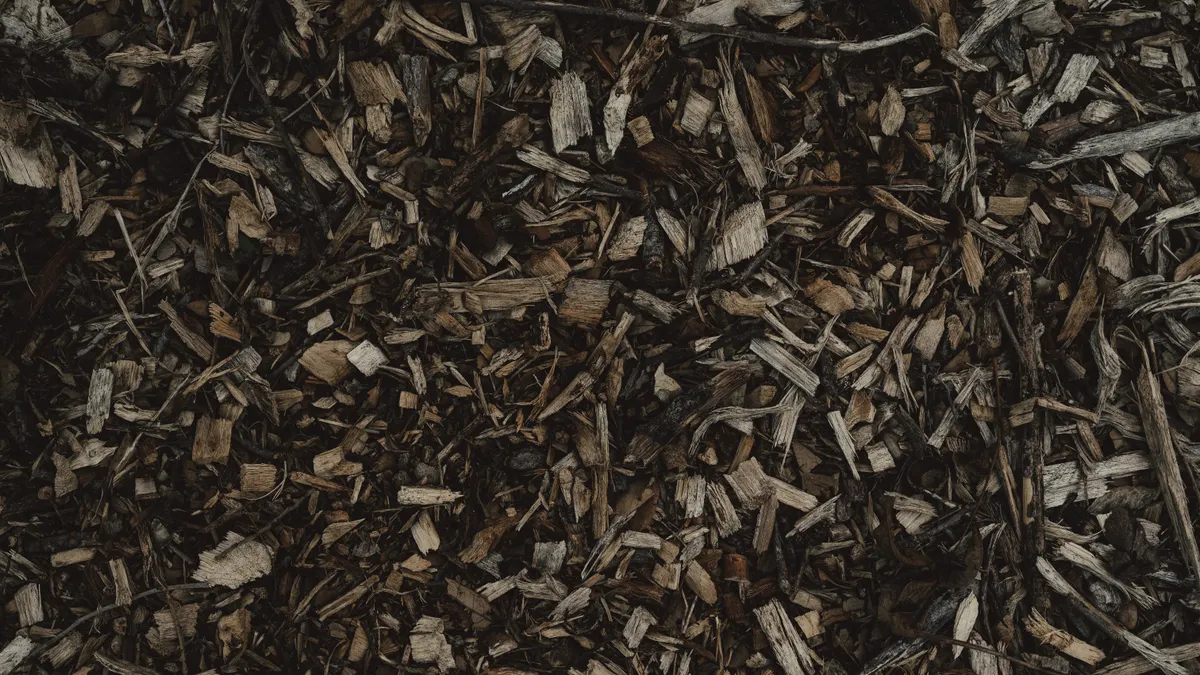
Mulch is often the safest default for most residential drain fields. It helps hold moisture in the surface layer, slows erosion, and avoids the hard crust that bare topsoil can form. It also adds a thin, replaceable layer, which is easier to refresh than rebuilding a compacted surface. Honestly, that practical trade-off matters more than appearance.
But there is a catch. Mulch is not a blanket recommendation for every site. If the drain field already stays wet, if the soil is shallow and fragile, or if the area needs frequent vehicle access, even a light layer can turn into a maintenance headache. Septic drain fields depend on infiltration through the soil, and anything that seals the top or gets packed flat works against that job.
Bare soil is the least protective choice. On very stable sites with little slope and almost no traffic, it can be acceptable, but it tends to crust after rain and break apart during dry spells. Gravel can work too; once people start walking or driving across it, though, the weight can compact the surface below and reduce the little air exchange the soil needs. That is where the math stops working fast.
The right call is not about looks. It is about keeping the top few inches open, stable, and easy to inspect.
What each surface does to the drain field below
Mulch wins on surface protection because it buffers the soil rather than sealing it. A 2- to 3-inch layer of organic mulch usually softens rainfall impact, slows runoff, and cuts direct erosion on gentle slopes. It also keeps the topsoil from baking hard in hot weather, so the surface stays more open than bare ground.
Gravel can help when the goal is keeping the surface firm and reducing splash or rutting in a narrow access strip. The trouble is that gravel does not disappear just because it is porous at the top. If the base layer is wrong, the stone can settle, shift, and trap fine soil between the gaps. That can create a denser cap than a homeowner expects. For a drain field, that is a real drawback.
Bare soil is the simplest option. There is nothing to spread, nothing to rake, and nothing to decompose. The price is clear: exposed topsoil is the most vulnerable to compaction, erosion, and surface sealing. After repeated rain, a bare surface can shed water instead of letting it soak evenly. On a septic area, that is the wrong direction.
| Criteria | Mulch | Gravel | Winner for this condition |
|---|---|---|---|
| Infiltration at the surface | Usually better than bare soil if kept loose | Good only if the base stays open | Mulch on gentle residential slopes |
| Soil compaction risk | Lower when applied lightly | Can increase if spread thick or driven over | Mulch |
| Erosion control | Strong on rain-prone sites | Moderate; can still wash fines downhill | Mulch |
| Heat retention | Moderates temperature swings | Can hold heat and dry the surface faster | Mulch in hot climates |
| Maintenance access | Easy to rake back for visual checks | Easy to walk on, harder to rework later | Gravel for narrow service paths |
| Risk of surface crusting | Low | Low at the top, higher if fines migrate | Mulch |
| Need for replacement | Periodic top-offs | Usually less frequent, but harder to correct | Gravel for low-maintenance strips |
| Best fit for heavy foot traffic | Poor to fair | Better, if access is needed | Gravel |
Mulch is the best all-around cover for most drain fields
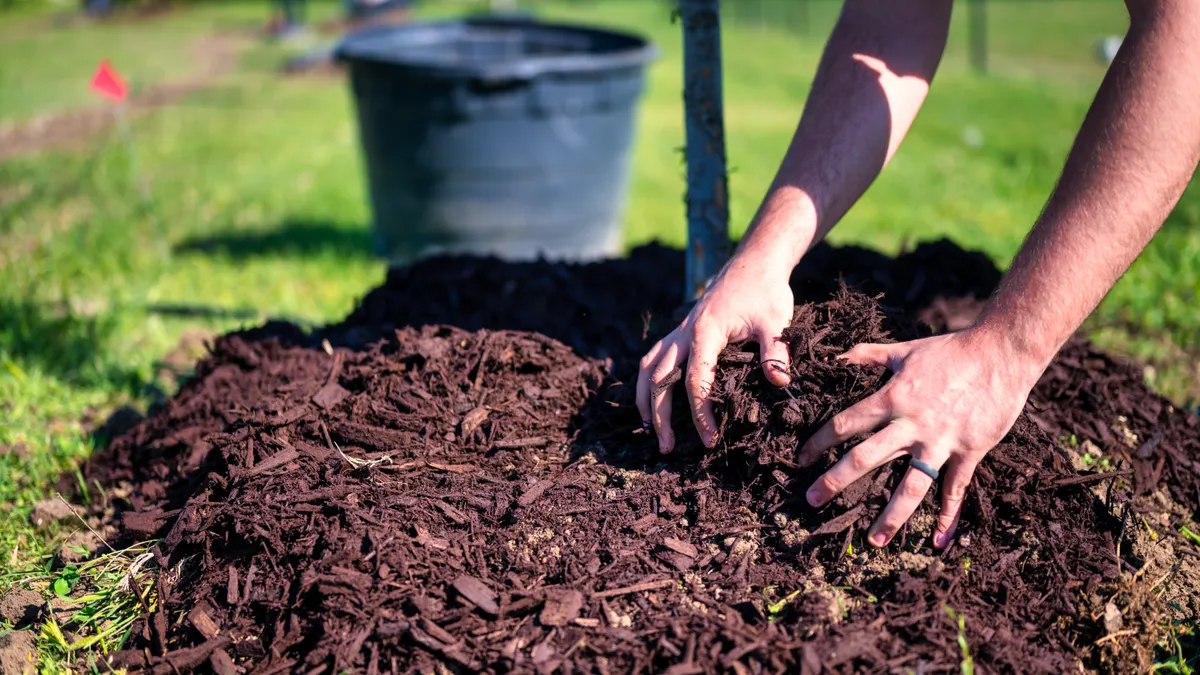
Mulch wins when the main goal is protecting the drain field’s soil without making the surface stiff or sealed. A shredded hardwood or similar organic mulch layer works because it breaks rainfall energy and keeps the top inch or two from drying into a crust. That matters on sites where surface water can move quickly after storms.
Access is another plus. A homeowner or technician can move it aside, inspect the area, and put it back without chiseling through a hard layer. Compared with gravel, which can migrate and become awkward to level after minor grading work, mulch is easier to correct. Bare soil is different again; once erosion gullies form, it usually needs more reworking than people expect.
The weakness is maintenance. Mulch decomposes, especially under wet conditions, and it needs occasional topping up. That is a cost in time, not just money. It can also be a poor choice if the field is already short on oxygen at the surface or if the site floods. In those cases, extra organic material can hold moisture longer than you want.
Mulch is right for a homeowner with a normal residential drain field, moderate rainfall, and no reason to drive across the leach area. It is wrong for someone who wants a permanent, never-touch-it cap. Septic fields do not reward that kind of thinking.
For local placement decisions, the county health department or state environmental agency often has the final word on whether surface cover changes are acceptable, especially where drain fields are shallow or close to a seasonal water table. Before changing the surface, consult a septic professional and check the EPA’s septic guidance: Onsite Wastewater Treatment Systems. You can also compare local rules with your state or county environmental office.
Gravel looks tidy, but it is not the easy answer
Gravel works only when the site needs a durable walking strip or a clean, non-organic surface near access points. A thin gravel layer can reduce mud and make it easier to identify the field’s outline. That sounds useful, and on a narrow service path it can be.
The trouble is that gravel is easy to misuse. If the stone layer is thick, mixed with fines, or placed over a weak base, it can pack down and behave more like a crust than a porous surface. That is especially risky on compacted native soil. Once that happens, water has a harder time entering the upper profile, and the drain field loses one of the things it needs most: open soil contact.
Gravel also retains heat. In a hot climate, that can dry the surface too fast and make the top layer less forgiving around the edges of the field. It is not usually the first choice for erosion control on slopes, because stone can migrate downhill while the fine particles underneath stay behind. Pebbles may look neat, but they can behave like a hot pan under summer sun.
Gravel is the right choice only for a homeowner who needs a clearly defined access area, values a harder walking surface, and understands that this is not a decorative gravel patio. It is wrong for someone who wants a low-cost way to “improve” the field with a thick rock bed. That kind of upgrade can become a compaction problem.
For septic clearances and field protection principles, the National Small Flows Clearinghouse and local code documents are better references than landscaping blogs. The exact surface rules can vary by state, soil type, and setback requirements, so local code matters more than style.
Bare soil is acceptable only when the site is already stable
Bare soil wins only on simplicity and cost. If the drain field sits on level ground, gets almost no traffic, and already has stable topsoil, leaving it bare can be a defensible choice. There is no layer to decompose and no material to disturb during maintenance.
That said, bare soil is the most fragile option by a wide margin. It can crust after rainfall, crack during dry weather, and shed water across the surface instead of absorbing it evenly. It also erodes faster on even slight slopes. Once the topsoil starts moving, the field can develop uneven spots that hold water in the wrong places.
Bare soil is also the worst choice for a yard that sees kids, pets, lawn equipment, or occasional vehicle use. Repeated pressure compacts the top layer, and compaction is exactly what a drain field does not need. Even a thin hardpan at the top can interfere with infiltration.
This option is only for a landowner who has a quiet, stable site and is willing to accept that the surface will need ongoing attention. It is not for a yard that doubles as an informal driveway or play area.
Soil type, slope, and climate change the answer more than style does
Mulch usually wins on sandy or loamy soils because those soils can still breathe after a light cover is added. On dense clay, the margin for error is smaller, and any surface choice that encourages sealing or compaction becomes more dangerous. Gravel can look appealing there, but it often does not fix the real problem, which is the soil below. The foundation is the issue; the topping is not the villain.
Slope matters just as much. On a flat field, bare soil may survive longer before it erodes. On a slope, mulch has a clear edge because it slows runoff and shields the surface from rain impact. Gravel on a slope can shift, leaving uneven patches and exposed soil between stones.
Climate pushes the decision too. In wet or stormy regions, mulch is often better because it softens rainfall and helps prevent surface crusting. In hot, dry areas, gravel can overheat the surface and dry it too quickly, while bare soil may harden and crack. There is no universal finish that ignores weather.
That is why the surface choice should be matched to the site, not copied from a neighbor’s yard. A drain field is not a flower bed. It is a wastewater disposal area that needs air, infiltration, and access.
When the verdict flips
Mulch is the default choice, but the verdict flips in a few specific cases. If a narrow service lane crosses the edge of the drain field, gravel can beat mulch because it holds shape better under light foot traffic. If the area is already compacted and you need to avoid adding more organic matter, bare soil may be the least disruptive short-term choice.
A second flip happens on very flat, very stable sites where erosion is almost nonexistent. There, bare soil can be acceptable if the surface stays loose and no one drives on it. A third flip happens when a local code or installer specifies a different surface treatment for a shallow field, a raised bed, or a frost-prone climate. Consult a septic professional and the local code before treating that instruction as universal. The local rule beats the generic rule.
The last flip is the most important: if the area already ponds water, stays soggy, or shows signs of persistent surfacing, none of these covers is the real fix. At that point, the surface choice is secondary to a septic evaluation.
The verdict: which one to choose and why
Choose mulch if the drain field is part of an ordinary yard, the slope is gentle, and the goal is to protect the surface without sealing it. Choose gravel if you need a narrow, durable access strip and you can keep it light, clean, and separate from traffic. Neither if the field already ponds, floods, or has obvious signs of failure; that needs a septic professional before any cover material goes down.
For most homeowners, mulch is the safest recommendation because it best balances infiltration, erosion control, and maintenance access. Gravel has a narrower job. Bare soil is the fallback, not the preference.
Is gravel safe over a drain field?
Gravel is safe over a drain field only when it is used lightly and for a clear purpose, such as a narrow access strip. It is not a good choice for thick coverage or for areas that will carry regular vehicle weight. A packed gravel cap can reduce infiltration and make future maintenance harder.
Does mulch hurt a septic drain field?
Mulch usually does not hurt a septic drain field when it is kept thin and loose. It can help protect the surface from erosion and crusting, which is useful on many residential sites. The risk is using too much or placing it where the soil already stays wet, because extra organic cover can hold moisture longer.
Is bare soil better than mulch over a leach field?
Bare soil is only better than mulch when the site is very stable and needs the simplest possible surface. In most yards, mulch is the better choice because it reduces erosion and surface sealing. Bare soil is more likely to compact, crust, and wash away on slopes or in high-traffic areas.
Drafted with AI; not yet reviewed by a person.