Last updated: September 10, 2026
Key Takeaways
- Cut water use for 1 to 2 weeks.
- Watch it for 2 to 4 weeks.
- When symptoms ease after 24 to 72 hours of light use, you are probably dealing with overload, not a dead field.
- A 1,000-gallon tank on a small residential lot, a low-pressure pipe network, or a pressure-dosed system each fails differently.
Can a clogged leach field be repaired without digging it up? Sometimes yes — but only when the clog is early, localized, and tied to something you can fix from above ground or from the septic tank side. This article answers the question can clogged leach field be repaired without digging it up? for homeowners with a conventional septic system, and the short answer is that you may be able to recover the system if the trouble is maintenance-related. If the soil has physically failed, been crushed, choked by roots, or permanently biomatted, consult a septic professional before assuming any surface treatment will restore full drainage. Simple, but not easy.
What I mean by “clogged,” and when this question applies

By clogged, I mean a leach field — also called a drainfield or absorption field — that is moving wastewater too slowly because the soil around the perforated pipes is no longer accepting effluent at the rate it should. That can show up as a wet patch over the field, sewage backing up into the house, a tank that seems to fill too fast, or alarm lights on a pumped system. This answer applies if you already have a conventional septic system with a drainfield, not a mound, sand filter, aerobic treatment unit, or municipal sewer connection, and you should confirm the setup with a licensed septic contractor or local health department if you are unsure.
I’m assuming you know where your septic tank and field are, can open inspection ports if your system has them, and can avoid driving over the area. I’m also assuming this is a household problem, not a commercial site with a much larger hydraulic load. Raw sewage at the surface? A completely backed-up house? A strong smell with standing effluent? Stop treating this as a “repair without digging” project and treat it as a system failure that needs qualified service, consistent with EPA and county health department guidance on septic failures. Not alarmist. Just reality.
The hard truth is that “clogged” can mean at least three different things: solids escaping the tank, biomat growth in the trench, or soil structure collapse. Only the first one is sometimes reversible from the tank side. The other two often need load reduction, rehabilitation, or replacement. People waste money on fixes that miss the real failure all the time. For reference, the U.S. EPA’s septic guidance and many county health departments describe drainfield failure as a soil-absorption problem, not just a pipe problem. See the EPA’s septic systems page: https://www.epa.gov/septic
Can a clogged leach field be repaired without digging it up?
Sometimes, yes. But only if the “clog” is really a maintenance issue or a mild hydraulic overload. If the trenches are intact and the soil is still structurally sound, the field may recover after pumping the tank, fixing leaks, reducing water use, and in some cases using a septic restoration method through access ports. If the trench stone, soil interface, or native soil has been sealed by biomat over years of excess solids, there is no magic liquid that opens it back up for good. That kind of promise is smoke and mirrors.
Here is the part many homeowners miss: the field usually fails because the tank stopped doing its job first. A septic tank is supposed to hold back settleable solids and floatables for roughly 24 to 48 hours of retention time under normal conditions, depending on loading and design. When baffles are broken, sludge is too high, or pumping has been ignored, solids move into the field and create a clog at the trench interface. In that case, you may be able to stop the bleeding without digging by pumping the tank, restoring the inlet/outlet path, and giving the drainfield time to dry out.
What you usually cannot do from above ground is remove root intrusion, uncrush a collapsed pipe, or reverse clay soil that no longer percolates. Percolation, or “perc,” is the soil’s ability to absorb water; once the soil structure is ruined, the field is done. So I would not spend money on chemical “rejuvenators” before confirming the failure mode. The U.S. Department of Agriculture and extension services consistently warn that soil absorption depends on texture, structure, and unsaturated conditions, not additives.
How to tell whether you have a fixable clog or a failed field
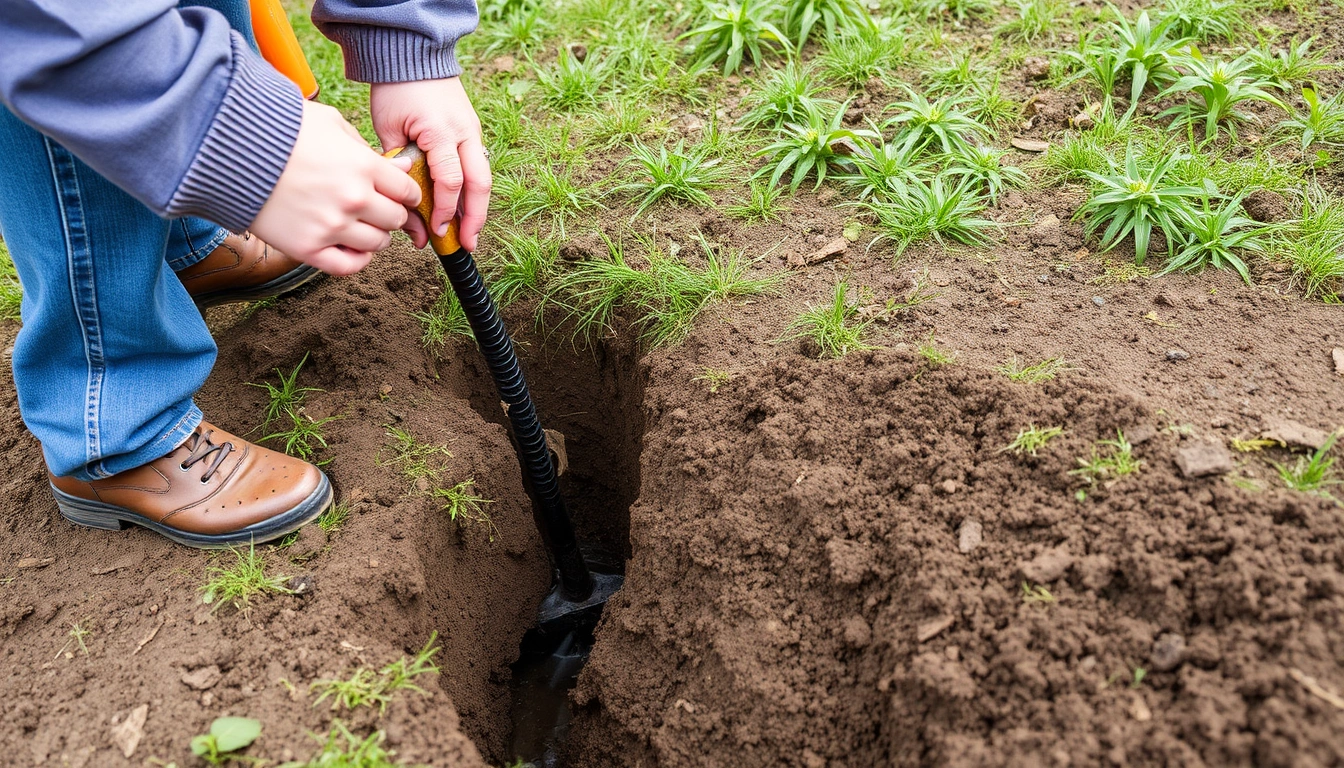
Sort the problem into “possibly fixable without digging” or “likely replacement territory” with a few checks. Start at the tank, not the grass. Open the septic tank access lids only if you can do so safely and legally; if the lid is buried, cracked, or heavy, use proper tools and do not work alone. Measure the sludge and scum layers with a stick or proper tank gauge. If sludge is within about 30 cm, or 12 inches, of the outlet baffle, the tank is overdue for pumping and the field may be taking solids it should not see. If the outlet area is clogged, that is a repairable problem; if the tank is clean but the field still saturates, the issue is farther downstream.
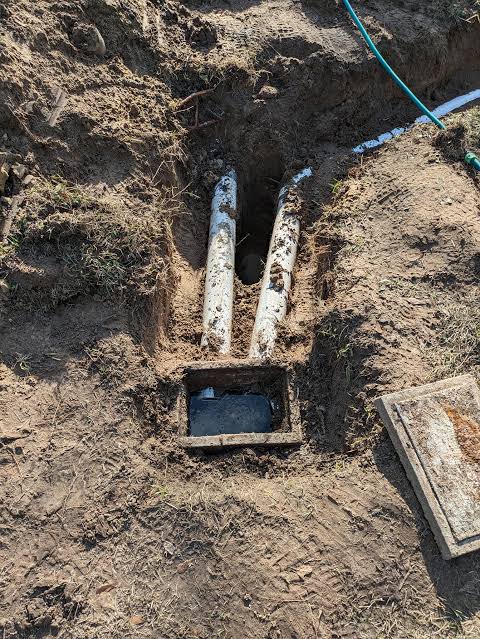
Another check is the distribution box, if your system has one. A tilted or partially blocked distribution box can send too much flow to one trench and make the whole field look failed. You should verify that all outlets are receiving flow roughly evenly and that the box is not full of sludge or roots. A D-box that is out of level by even a small amount can starve one line and overload another. Tiny tilt, big mess.
Look at water habits that overwhelm the system. A leaking toilet, a softener backwash cycle, a constantly running washer, or long showers can push a field past its daily loading design. A field designed for a 3-bedroom house is not the same as one taking the output of a family reunion weekend. If the symptoms improve after 24 to 72 hours of low use, you are probably dealing with overload, not a dead field.
Also watch the soil surface. A field that is soft and wet after rain because the yard drains badly is not the same as a field that stays wet during dry weather. Persistent wetness in dry conditions suggests saturation from below. Standing effluent, gray-black seepage, or a strong sewage odor means the field is no longer assimilating water properly.
What can be repaired from the surface or tank side?
You can sometimes recover a clogged field without excavation by correcting the upstream causes and, in some cases, using pressure cleaning or restorative treatment through existing access points, but you should consult a septic professional before using any method that changes flow through the field. The goal is not to “clean the soil”; it is to stop adding solids, restore distribution, and give the trench a chance to absorb again.
A practical sequence looks like this:
- Pump the septic tank fully. Remove all liquid and sludge accessible to the pump truck, not just the top liquid layer. Verify that both compartments are pumped if it is a two-compartment tank. A problem is indicated if sludge remains high, if the outlet tee is blocked, or if pumping immediately stirs up more solids than expected.
- Inspect and clear the outlet baffle, effluent filter, and risers. Clean the filter with a hose over the tank opening and check that the outlet tee is intact and not broken off. Verify that water can leave the tank without backing up. If the filter clogs again within days, solids are still escaping the tank.
- Check the distribution box for level and blockage. Remove debris, roots, and sludge, and confirm the box sits level enough to split flow properly. A visible tilt, standing solids, or dry branches in one outlet line points to uneven loading, which can sometimes be corrected without digging by re-leveling the box from access.
- Reduce water use for 1 to 2 weeks. Spread laundry loads across several days, fix leaks, and avoid long tub fills and high-volume back-to-back use. Verify whether wet spots shrink and drains improve. If nothing changes after a full dry spell and low use, the field itself is likely the problem.
- Divert clean water away from the drainfield. Extend downspouts, fix sump discharge, and regrade minor runoff so rainwater does not sit over the trenches. Verify that the field no longer gets roof water or yard drainage. If the area still floods in dry weather, runoff is not the cause.
- Use only a field service method that reaches the existing lines. This may include jetting or flushing from an accessible cleanout, or a vendor-specific restoration method approved for septic use. Verify that the method is meant for septic laterals, not household plumbing. If the lines have no access ports, or if the system uses fragile piping, forcing high pressure can make the damage worse.
- Monitor for 2 to 4 weeks. Keep the field lightly loaded and watch for faster drainage, drier soil, and fewer backups. Better performance can happen, but a full recovery is not guaranteed. If the field improves only briefly and then fails again, the biomat or soil absorption capacity is exhausted.
That is the honest limit: the tank side can often be repaired, the trench side sometimes only stabilized. I would choose this route when the field is young, the tank maintenance history is poor, and the failure signs started after a specific overload event. I would not choose it for a 20-year-old field with long-term seepage and root intrusion.
What not to waste money on
I would be very cautious with septic “miracle” products that claim to dissolve a clog, restore percolation, or reopen soil pores. If a product promises a permanent fix without explaining how it changes the trench, the D-box, or the soil structure, it is usually selling hope. Some additives may reduce grease in a tank under limited conditions, but grease in the tank is not the same as restoring a failed drainfield. See EPA guidance and university extension publications before buying any additive.
The same warning applies to quick chemical shock treatments. Harsh chemicals can harm the bacterial balance in the tank and do nothing to the saturated soil in the field. A septic tank depends on natural anaerobic digestion and solids separation. Pouring in a random cleaner is not a substitute for pumping, inspection, or load reduction, and you should consult a septic professional if you are considering chemical treatment.
Another mistake is having the tank pumped but ignoring the filter. If the effluent filter remains packed with solids, the system may act clogged even after pumping. A filter is a small part, but on many modern systems it is the first line of defense before the field. Leaving it dirty is how a temporary backup becomes a recurring one.
I also would not trust a fix that does not identify the field’s failure mode. A 1,000-gallon tank on a small residential lot, a low-pressure pipe network, or a pressure-dosed system each fails differently. If the person offering the repair cannot explain the system type, line layout, and where the bottleneck is, the recommendation is too generic to trust.
When should you stop trying to repair it without digging?
You should stop when the symptom points to structural failure, not a maintenance problem. These are the situations that change the answer:
Effluent is reaching the surface in dry weather: the field is no longer absorbing water — stop adding flow and arrange repair or replacement planning.
Backups return within days after pumping: solids or soil failure are still present — inspect the tank components and field layout before spending more on surface treatments.
The drainfield is older than 20 to 30 years and has a long history of slow drains: the soil interface may be spent — plan for rehabilitation or replacement rather than more additives.
Roots have invaded the laterals or D-box: mechanical obstruction is present — root cutting or excavation is usually needed.
The system uses a collapsed, crushed, or broken pipe: water cannot move through the line properly — surface repair will not restore flow.
There is a known high groundwater table, flood plain issue, or seasonal saturation: the field cannot dry enough to accept effluent — the site condition must be addressed, often with a redesigned system.
Those are not minor setbacks. They mean the soil has likely stopped doing the absorption work that defines a drainfield. At that point, pouring more liquid into it just enlarges the wet area. If the system serves a home, the practical next step is often a septic contractor or local health department inspection, because many jurisdictions regulate drainfield repair and replacement under code rather than as an informal homeowner fix. For homeowners researching can clogged leach field be repaired without digging it up?, this is the line where the answer usually changes from “maybe” to “not safely without help.”
The mistakes that make a repair fail faster
The first mistake is treating a full tank as a field problem. If the tank is overdue by even a few years, pumping it may solve the issue entirely. If you skip that step and go straight to the field, you may spend money on the wrong side of the system.
The second mistake is loading the field while you “wait and see.” A leach field can sometimes rebound after 7 to 14 days of low use, but only if you stop flooding it. Running multiple laundry loads, long showers, and dishwasher cycles in the same day keeps the trench saturated.
The third mistake is cleaning only one compartment of a two-compartment tank. That leaves the outlet side dirty and lets solids move back into the field. The correct approach is full pumping plus inspection of baffles, tees, and filters.
The fourth mistake is assuming a wet yard equals a bad field. Poor grading, roof runoff, and downspout discharge can saturate soil above a healthy drainfield. Fix the surface water first if the area gets soaked only after storms.
The fifth mistake is using a high-pressure hose or jetter without knowing whether the laterals can take it. Some systems tolerate controlled cleaning; others can be damaged by aggressive pressure, especially older pipe or compromised joints. The right alternative is a method matched to the system design, not a one-size-fits-all blast.
What a good outcome looks like, and how long to give it
A good outcome is not “the field is new again.” A good outcome is that backups stop, the soil surface dries, odors fade, and the system handles normal household use without a new wet spot. After tank pumping and load reduction, I would expect the first signs of improvement within several days, but I would give the system 2 to 4 weeks before deciding whether the repair worked.
If the field is merely overloaded or under-maintained, the soil can often recover enough to function for a while longer. If the problem is a partial blockage, the system may become reliable again after the tank side is corrected. If nothing changes after the monitoring period, the answer to can clogged leach field be repaired without digging it up? is usually no, or at least not without a professional diagnosis and likely excavation.