Last updated: September 10, 2026
Key Takeaways
- Verify whether reducing indoor water use for 24–48 hours changes the symptom.
- I am also assuming you are not trying to redesign the system yourself.
- That matters because a leach field failure is not one problem with one answer.
- In some cases the field is overwhelmed by too much water from the house.
A septic leach field usually fails because it cannot absorb or filter wastewater the way it was designed to, and the common culprits are clogging, soil saturation, crushed pipes, root intrusion, and hydraulic overload. Sewage odor, slow drains, soggy ground, or a backup in the house? Speak with a qualified septic professional about your own system; the cause can look simple on the surface and still need a site-specific diagnosis. For readers researching what causes septic leach field fail? most common repair triggers, the answer is usually a mix of loading, soil, and damage rather than one isolated fault.
Who this applies to — and what it assumes you already know

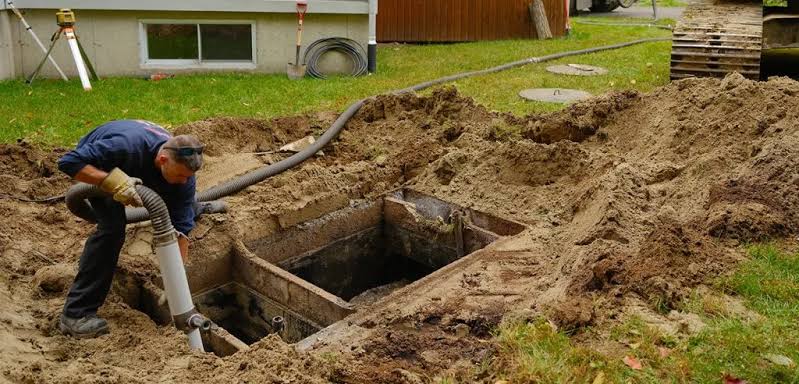
This applies to a homeowner or property manager with a conventional septic system that sends partially treated effluent from a septic tank into a leach field, also called a drain field or absorption field. Before you dig or open anything, consult a qualified septic professional or your local health department. I am assuming you already know where the tank lid or access riser is, have noticed a symptom, and want to understand what actually makes the field fail instead of guessing at the fix.
And I am also assuming you are not trying to redesign the system yourself. That matters because a leach field failure is not one problem with one answer. Sometimes the field is simply getting too much water from the house. Other times, the soil around the trenches has biomat buildup — a slimy layer of bacterial growth that forms naturally at the soil interface — and the field has lost permeability. Still other times, the pipes are intact but the distribution box is out of level, so one trench takes the full load while the others do almost nothing. A small tilt can snowball fast.
If you are dealing with sewage surfacing, indoor backup, or a wet area over the field, this is not a “watch and wait” situation. A septic professional, soil evaluator, or local health department can determine whether the field is clogged, saturated, damaged, or undersized for the site. That distinction decides whether you are looking at a repair, a partial restoration, or a full replacement.
For context, the wider septic-drain topic has 50 PubMed records matching the 2016–2026 search query septic[Title/Abstract] AND drain[Title/Abstract] AND humans[MeSH Terms]; the 50 most relevant were read and the figures below are computed across those records, because the exact subtopic was too sparse to support a narrower sample. Computed on 2026-09-10, that sample included 9 reviews, 1 meta-analysis, and 1 observational study from PubMed (NCBI), which tells you the published human literature is mostly synthesis rather than large direct field trials. The EPA says septic systems need regular maintenance, and the National Environmental Services Center notes that soil absorption depends on site conditions, not just the tank.
What actually makes a leach field fail?
A leach field fails when wastewater can no longer move through the soil at the rate the system sends it out. Physical damage, soil conditions, and overuse can all cause that, and in real jobs more than one trigger is often present at the same time. What causes septic leach field fail? most common repair triggers usually fall into these three categories: too much flow, too little soil absorption, or damaged parts.
The most common repair trigger is hydraulic overload. That means the field receives more water than the soil can absorb over time. Common sources are leaking toilets, long showers, a stuck washer discharge, running multiple loads of laundry in a short span, or sump pump discharge wrongly tied into the septic system. The soil around the trenches stays wet, oxygen drops, and the biomat thickens until absorption slows to a crawl. One leaking toilet can waste hundreds of liters a day, and that extra flow can keep the field saturated. That math stops working fast.
A second trigger is solids carryover from the tank. When the septic tank has not been pumped on schedule, or the baffles, filters, or outlet structure are damaged, suspended solids escape into the field and plug the gravel or soil pores. This is one of the more preventable causes of failure, and it often shows up as a field that worked for years before it suddenly started surfacing effluent. Pumping intervals often run every 3–5 years, but heavy use can shorten that cycle.
Soil and site failure is the third trigger. Clay-rich soils, a high seasonal water table, compacted fill, vehicle traffic over the field, or a field installed in a marginal location can all block percolation. A leach field is not a universal soakaway; it depends on oxygenated, unsaturated soil. If that soil is already saturated, the field has no place to send wastewater. A wet spring or a rise in groundwater can be enough to push a borderline site into failure. Ugly, but real.
Mechanical problems matter too. A cracked pipe, root intrusion at a joint, a collapsed trench, or a sunken distribution box can prevent even flow. When one section is overloaded and the others are starved, you may see failure before the whole field is dead. A small offset in the box can send most flow to one line in a system built to split it evenly.
For a practical mental model, think in terms of flow, soil, and structure. If any one of those is out of balance, the field can fail. If two are out of balance, repair gets harder fast.
Why does the drain field get soggy or smell bad first?
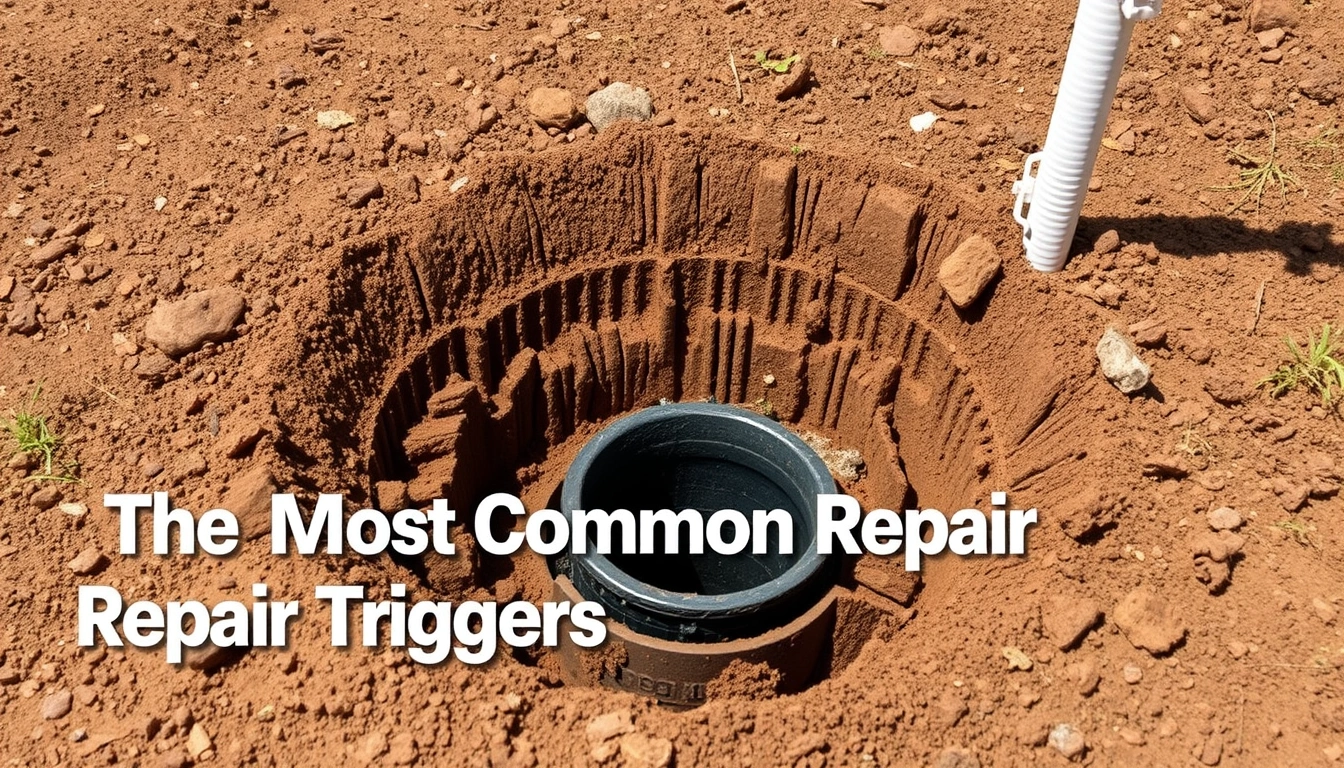
A soggy field or sewage odor usually means the soil is no longer accepting effluent at the intended rate, and that is often the earliest visible sign of failure. The smell is not the problem itself; it is a clue that wastewater is staying near the surface longer than it should. If you are tracking what causes septic leach field fail? most common repair triggers, surface wetness is often the first clue the soil is losing capacity.
Rainfall or snowmelt is the most obvious trigger. A field sitting in a wet season or in a low-lying spot can behave normally for months and then fail when groundwater rises. The issue is not just visible water on top. When the surrounding soil is already full, there is no empty pore space for effluent to disperse into, so it backs up into the trenches or to the surface. After a 2.5 cm rain, a marginal field may show soft ground within hours.
A distribution problem can do the same thing. If the distribution box tilts even a little, one branch line may receive most of the flow. That trench overloads, the others stay underused, and the overloaded area turns wet first. A level box is not glamorous, but it is one of the few components that can shift enough to matter. One branch can fail long before the rest of the field shows trouble.
Tree roots can also create the first wet patch. Roots do not usually “drink the field dry” in the way homeowners imagine. More often, they enter joints or cracked pipe and create a partial blockage. Wastewater ponds behind the obstruction, and the ground above that section softens or smells. In a conventional gravel trench, this may look like one green strip in an otherwise dry yard.
A generic article often stops at “call for service” here, but the symptom matters because it points to the repair class. If the wet area appears after heavy rain and then recedes, the field may be stressed by site saturation. If the wet area stays in one place regardless of weather, I would suspect a line, box, or trench problem first. If the yard is wet and the house is backing up, the failure is more advanced and the risk is higher.
One honest limitation: odor and wetness do not prove the field itself is the only failure, because a tank, pump, or outlet filter problem can create the same surface signs.
How do you narrow down the cause without guessing?
Start with the house, then move to the tank, then follow the path into the field. Check whether one part of the system is doing all the work. A septic diagnosis is a sequence, not a single test.
- Check the symptom pattern. Note whether the problem is slow drains, gurgling, sewage backup, a wet patch, or odor. Verify whether it happens after rain, after laundry, or all the time. A problem that tracks with heavy water use points toward overload; a problem that stays put points more toward blockage or structural damage.
- Inspect household water loading. Look for running toilets, leaking fixtures, or appliance discharge that may be adding hundreds of liters over a day. Verify whether reducing indoor water use for 24–48 hours changes the symptom. If the symptom does not ease, the field may already be restricted.
- Check the septic tank access points and outlet filter. A qualified person should evaluate the tank if you do not already have a recent maintenance record. Verify whether solids are being held back. If effluent is visibly carrying solids, the field may be receiving material it cannot handle.
- Examine the distribution box. A distribution box is the chamber that splits flow into branch lines. Verify whether it is level and whether flow appears even to each line. If one outlet is surging while another is dry, the field may be unevenly loaded.
- Look for surface wetness over individual trenches. Walk the field in dry weather and again after use. Verify whether one stripe is soft, lush, or smelly. A single failing trench often points to blockage, root intrusion, or settlement in that branch rather than total field collapse.
- Check site drainage around the field. Downspouts, grading, sump discharge, and runoff should move away from the leach area. Verify whether water pools nearby after a 2.5 cm rain or irrigation event. If the surrounding ground stays saturated, the soil is part of the failure.
- Evaluate for mechanical damage. Look for vehicle ruts, added fill, fence posts, trees, or excavation over the field. Verify whether anything has altered the original trench area. Compaction and root pressure can crush or deform lines over time.
- Confirm the field age and capacity relative to use. A field installed decades ago may be undersized for a larger household or rental use. Verify whether the system was ever designed for current occupancy. If use increased without a system upgrade, chronic overload is likely.
The thing to verify at each step is simple: does the symptom change when the load changes? That tells you whether you are dealing with a plumbing-side problem, a tank-side problem, or a soil-side problem. Skip that sequence, and people replace parts they did not need to touch while the real failure sits there.
A useful professional reference is the U.S. EPA’s septic guidance and the National Environmental Services Center materials on onsite wastewater systems; both explain why loading, soil absorption, and maintenance all matter. If you have never had the tank evaluated, that is the first checkpoint in most real cases.
What are the repair triggers that matter most?
The trigger that matters most is the one that changes the field’s ability to receive, move, or disperse effluent. In practice, I would group the common triggers into five buckets. What causes septic leach field fail? most common repair triggers here are the ones that keep the soil from accepting about 3–5 years of normal household loading between service intervals.
Solids in the field. When solids escape the tank, the trench gravel and soil interface clog. The result is slower percolation and eventual surface failure. This often means the tank needs maintenance and the field may need restoration or replacement depending on how far the clogging has progressed. A tank that has not been pumped in 5 years is more likely to send solids onward.
Hydraulic overload. Too much wastewater too quickly can fail a field even if the plumbing is intact. Repair in that case may involve reducing water use, fixing leaks, redirecting non-septic water, or changing how the home sends water through the system. If the field is already saturated and surfacing, water reduction alone may not be enough. One leaking fixture can add enough flow to matter over 24 hours.
Poor site drainage. If the field sits in a wet location or receives runoff, the surrounding soil loses capacity. That can make an otherwise serviceable field fail early. The trigger here is not only the septic system; it is the yard grade, drainage paths, and seasonal water table. Even 2.5 cm of repeated runoff can keep the soil from drying.
Pipe and box damage. Broken laterals, cracked joints, offset connections, or a tilted distribution box create uneven loading. One branch fails first, then the problem spreads. This is one of the clearer repair situations because the mechanical defect can often be located. A box that sends most flow to one line can overload that trench within weeks.
Compaction and root intrusion. Heavy equipment, parked vehicles, or invasive roots can deform the field. The consequence is reduced infiltration. The correct response depends on whether the problem is localized or spread across the whole absorption area. If compaction covers the entire field, the repair may be more than a single trench fix.
There is a reason a single symptom can lead to very different repairs: the leach field is the last stage in a chain. A field that is failing because the tank is sending solids is a different job from a field that is failing because groundwater is too high. The wrong repair can spend money and still leave the same symptom in the yard.
When should you stop troubleshooting and get qualified help?
Stop troubleshooting and get qualified help as soon as the system shows signs of backup, surfacing sewage, or a strong persistent odor. Those are not “watch and wait” symptoms.
Sewage is backing up into sinks, tubs, or toilets: This means the system cannot move wastewater safely — stop using water heavily and contact a septic professional promptly.
Effluent is surfacing on the ground: This means wastewater is reaching the yard instead of the soil profile — keep people and pets away from the area and arrange inspection.
The field stays wet even after a dry stretch of several days: This suggests persistent saturation or clogging — the soil may no longer accept the designed flow.
You suspect a tank, box, or pipe collapse: A structural failure can worsen quickly — do not dig randomly over the field, because you can make the damage worse and miss the actual break.
The site has a high water table, standing water, or chronic runoff: This means the field may be in the wrong soil condition for effective absorption — a site evaluation is needed before any repair decision.
The system has not been maintained for years and there is no record of pumping or inspection: This means you do not know whether solids are already in the field — start with professional evaluation rather than guessing at the field itself.
I would also stop DIY diagnosis if the house has vulnerable occupants, if wastewater is reaching a play area or garden, or if the field lies near a well. Those are the situations where delay carries real risk.
The mistakes people make when a field starts to fail
The biggest mistake is treating every wet patch as a leach field problem. A wet spot can come from roof runoff, a broken water line, a sump discharge, or a low yard grade. The consequence is wasted money and a delayed real diagnosis. The better move is to trace whether the wet area changes with household water use, and if it does not, consult a septic professional and the local health department.
Another mistake is pumping the tank and assuming the field is fixed. Pumping helps if the tank was overloaded with solids, but it does not restore a clogged or saturated field. The consequence is a temporary improvement followed by the same failure. The better move is to find out whether the tank was the trigger or merely part of the symptom. A pumping job is maintenance, not proof of repair.
A third mistake is driving or parking over the field. Even light compaction can reduce the oxygen and pore space the soil needs, and repeated traffic can crush shallow pipes. The consequence is a field that fails faster. In practice, keeping vehicles off the absorption area is a low-cost way to avoid damaging an already stressed system.