Last updated: October 21, 2026
Quick Answer: most drain field warning signs fall into three levels, and the key threshold is simple — mild signs usually mean “watch and reduce water use,” moderate signs mean “call a septic professional soon,” and severe signs mean “stop using water and get help the same day.” The topic of Drain Field Warning Signs by Severity — The Complete Guide is exactly that severity ladder, because a soggy patch, a bad odor, and sewage backup do not mean the same thing — and they do not call for the same response. I write on onsite wastewater systems, and the key distinction is simple: some symptoms mean “watch closely,” while others mean “stop using the system and call a licensed septic professional now.”
Key takeaways
- Slow drains, faint odors, and a greener-than-normal patch over the field are early warnings, not proof of failure.
- Standing water, recurring sewer smells, gurgling fixtures, and unusually lush grass over one area move the problem into the moderate-to-serious range.
- Sewage backing up into the house is an emergency, not a maintenance issue.
- Pumping the tank can help if sludge or scum has overloaded the system, but pumping does not fix a clogged or saturated drain field.
- Soil saturation, tree-root intrusion, broken distribution piping, and crushed trenches all create similar symptoms, so diagnosis matters.
- If the home has sewage backup, surface effluent, or a compromised child/pet area near the field, limit water use and get a pro involved the same day.
What a drain field is supposed to do
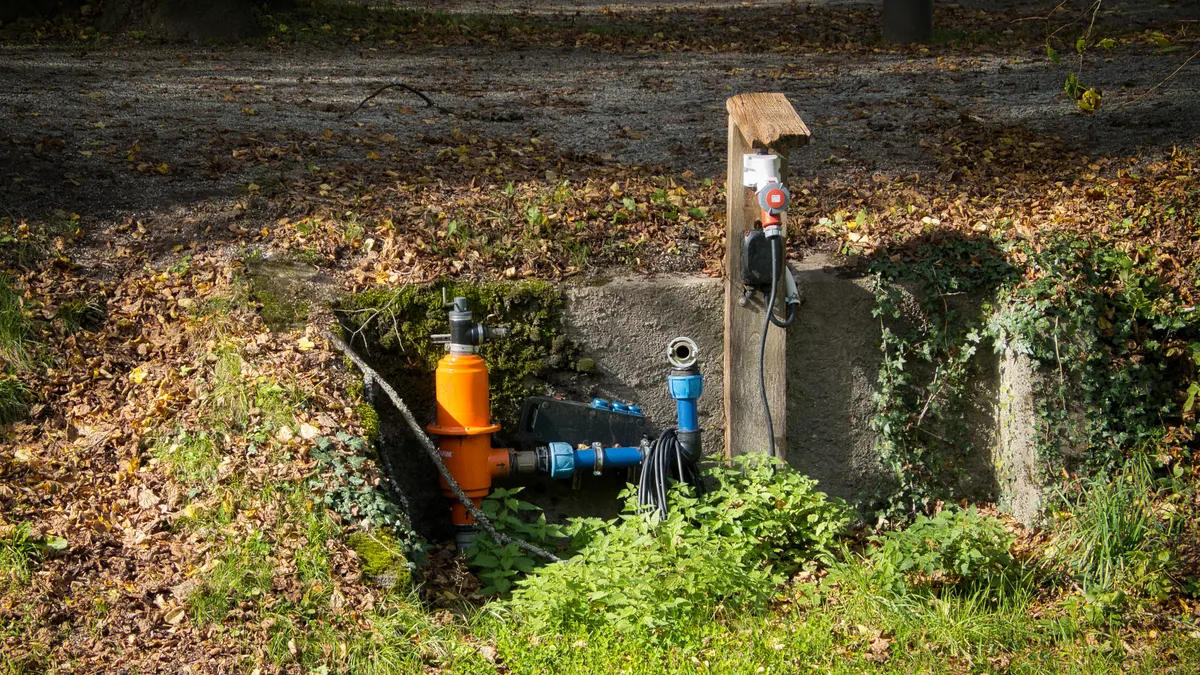
A drain field is supposed to accept partially treated wastewater from the septic tank, spread it through perforated pipes or chambers, and let soil finish the treatment. When it works, you do not notice it. That silence is the whole point. Once you do notice it, the clues usually fall into three layers: early strain, active failure, and emergency failure.
A normal system does not make the lawn soggy, does not smell like sewer gas, and does not push water back into showers or toilets. It also should not create a marshy line that matches the trench layout. Many generic articles blur those signs together, but severity matters because the fix changes. A slightly overloaded field may recover after reduced water use and a tank pump-out. A saturated or broken field often needs soil-based repair, line replacement, or a replacement area.
The most useful rule is this: if the symptom stays outside the house and changes slowly, it is usually an early or moderate warning. If wastewater comes back into the house or rises above ground, consult a licensed septic professional promptly, because that pattern can signal health risk and possible contamination of soil or shallow groundwater. The EPA’s septic guidance is a reliable starting point for basic system behavior and health precautions: https://www.epa.gov/septic
For a second authoritative overview of septic operation and care, see the National Onsite Wastewater Recycling Association: https://www.nowra.org
Which drain field warning signs are mild, moderate, or severe?
The severe signs are sewage backup, surface breakout, and persistent standing effluent; the mild signs are smell, slow drainage, and localized wetness that has not yet reached the house. That is the shortest honest answer, but the details matter because one sign by itself can mislead you. If you want the practical split in one line, mild signs are a monitoring problem, moderate signs are an inspection problem, and severe signs are an urgent-service problem.
Mild warning signs: watch and document
Mild signs usually mean the system is under stress, not that the drain field has failed. A faint sewer smell after heavy water use, toilets that flush a little slower than usual, or a greener patch of grass above the field can all appear before major trouble. These clues are real, but they are not decisive. A green strip may also come from compacted soil, sprinkler overspray, or a shallow line receiving extra moisture.
A mild sign becomes more meaningful when it repeats for several days, appears after ordinary water use, or shows up alongside another symptom. For example, one slow sink is not the same as multiple fixtures draining poorly at the same time. One light odor near the tank lid is not the same as a sewer smell drifting across the yard every afternoon. The pattern is what matters.
What to do at this stage: reduce water use for a few days, avoid laundry marathons, fix dripping fixtures, and keep records. If you have a drain field warning sign and the same area stays wet after a dry stretch of weather, that moves the problem up a level. If the smell intensifies or drains worsen, the system is no longer in “watch” territory.
Moderate warning signs: act soon
Moderate signs point to a field that is struggling to disperse water. Standing water over part of the drain field after normal use, gurgling in toilets or tubs, repeated slow drains throughout the house, and a persistent sewage odor outdoors all fit here. At this stage, the system may still be working enough to avoid a backup, but the margin is gone.
A common mistake is to blame only the tank. A tank that needs pumping can cause symptoms, but a saturated soil absorption area does not improve just because the tank is empty. The field may be clogged with biomat, overloaded from excess water, or blocked by broken distribution piping. A licensed septic inspector can tell the difference by checking tank levels, baffles, distribution, and the absorption area.
Do not ignore moderate signs for a month and hope they pass. That is how a manageable service call becomes a house backup. If the weather has been dry and the field still puddles, the soil is not taking effluent fast enough. If the field area smells stronger after showers or laundry, the hydraulic load is exposing the weak point.
Severe warning signs: stop and call for help
Severe signs mean the system is failing in a way that can affect the house, the yard, or both. Sewage backing up into showers, tubs, toilets, or floor drains is the clearest emergency. Effluent surfacing above the drain field, especially if it looks gray, brown, or has toilet waste in it, is equally serious. So is a strong sewage odor paired with visible pooling.
At this stage, reduce water use immediately. Do not run the dishwasher, do not do laundry, and do not keep flushing if another fixture is backed up. If sewage is coming into the home, the issue is no longer just septic maintenance; it is a sanitation problem. A homeowner can usually stop using water, but the diagnosis and repair need a licensed professional.
A severe sign also includes any situation where children or pets can reach surface effluent. Open wastewater on the ground can expose people to pathogens, and rain can spread it farther. If the system is pushing sewage to the surface, that is not a “wait until next weekend” problem. It needs same-day attention, and a professional should assess whether the field can be stabilized or whether a larger repair is needed.
How to read the signs in the yard
The yard often tells the truth before the house does, and the exact pattern matters. A wet patch centered over the field after a long dry spell is more concerning than a damp edge near a downspout. A stripe of unusually green grass over one trench line often points to localized leakage or extra nutrient loading. Mushy soil that never quite dries suggests poor infiltration or a saturated subsurface area.
The shape helps. A failure that follows the exact outline of the drain field often points to the field itself. Wetness near the tank or distribution box can mean a cracked lid, a plumbing leak, or a failed component upstream. Water pooling downhill from the field may be runoff, not septic effluent. The wrong diagnosis wastes money fast.
Tree roots deserve special attention. Root intrusion can damage pipes and distribution boxes, then mimic a clogged field. Heavy vehicle traffic can crush shallow trenches and create the same symptoms. Poor grading can send roof runoff or irrigation water onto the field and overload it with clean water, which still counts as overload because soil can only absorb so much at once.
One useful benchmark: if the yard symptom tracks the system layout and stays put through a dry spell, consult a professional and treat it as a septic problem until proven otherwise. If it vanishes after a week of dry weather, runoff or irrigation may be part of the story. That distinction is why photos and notes are valuable before a technician arrives.
What the house symptoms are really telling you
House symptoms usually mean the drain field is no longer accepting water the way it should. The earliest version is a slow fixture or a gurgle. The next version is multiple fixtures affected at once. The most serious version is backup, and that usually means the system has moved beyond a simple warning into a failure mode.
A single slow sink often points to a local drain issue, not the field. But if the toilet bubbles when a tub drains, or the shower backs up when the washing machine runs, the septic system is under pressure. When several fixtures struggle together, the home’s drainage is fighting against a full tank, blocked line, or field that cannot take more flow.
Odor inside the home is a different kind of clue. Sewer smell indoors can come from dry traps, loose seals, or venting issues, so it is not automatically a drain field failure. Still, if the odor appears together with slow drainage or backup, the septic system rises to the top of the list. That combination is much more meaningful than smell alone.
Do not confuse a plumbing vent problem with a septic failure. A blocked vent can create gurgles and poor draining, but it will not cause a saturated drain field or surface effluent. A good septic professional will separate those issues rather than assuming one cause for everything.
What to do at each severity level
The mild level calls for observation and water discipline. Cut back on laundry loads, spread out showers, fix leaks, and keep the system from getting hit with large water bursts. If you have not had the tank serviced in a while, schedule a routine inspection. The goal is to lower the hydraulic load before the field is overwhelmed.
The moderate level calls for a septic inspection soon, not later. A pro may measure sludge and scum in the tank, inspect the inlet and outlet baffles, check the distribution box, and look for evidence that the soil area is saturated or blocked. Pumping may be part of the fix if the tank is full of solids, but pumping alone is not always a cure-all. If the field is clogged or the soil is no longer accepting effluent, the system needs a different repair.
The severe level calls for immediate action. Stop nonessential water use, avoid the affected area, and arrange urgent service. If sewage has surfaced or backed up, ask the contractor about containment, disinfection, and whether the field can be salvaged. In some cases, the answer is no, and delaying only makes the job larger.
This is one place where DIY optimism causes real harm. A homeowner can reduce use and document symptoms. A homeowner should not guess at trench repair, replace piping blindly, or assume chemical additives will rescue a failing field. For onsite wastewater systems, the wrong fix can damage the soil even more.
For professional best practices on septic care and inspection, the National Onsite Wastewater Recycling Association is another credible source: https://www.nowra.org
When the verdict changes entirely
The overall verdict flips if the drain field sits in flood-prone soil, if the property has a high groundwater table, or if a recent storm brought unusual standing water to the yard. In those cases, what looks like a drain field failure may be temporary saturation from outside conditions. The symptoms still matter, but the cause may be weather plus an already marginal system.
The verdict also flips if the “warning sign” is actually a plumbing defect. A broken toilet seal, a leaking supply line, or a blocked building drain can create odors and slow fixtures without any field failure. If the tank and field show no evidence of overload, the house plumbing deserves a hard look.
A third flip happens when the system is simply undersized for current use. A home that added bedrooms, an in-law suite, or heavy water-using equipment may have outgrown the original design. In that case, the field may not be “failing” so much as being asked to serve more than it was built for. That does not make the symptom less serious; it changes the fix.
A fourth flip is age and documentation. If the field is decades old and there is no clear maintenance history, the threshold for concern drops. A system with repeated backups and no service record should be treated as high risk, even if the current symptom seems mild. When the reason is unknown, caution is the safer first move.
The honest side-by-side of mild, moderate, and severe signs
The mild category wins for early detection because it gives you time. The moderate category wins for diagnostic value because multiple symptoms together often point to the field rather than a random plumbing issue. The severe category wins only in one sense: it is the easiest to recognize, and the worst to ignore.
| Criteria | Mild signs | Moderate signs | Winner for this condition |
|---|---|---|---|
| Household impact | Minor slowdowns, faint odor, limited nuisance | Multiple fixtures affected, more frequent odors | Mild signs for early monitoring |
| Chance of recovery without major repair | Sometimes improves with lower water use and routine pumping | Less likely to resolve without inspection and service | Mild signs |
| Clarity of diagnosis | Often ambiguous; may be plumbing or runoff | More likely to indicate septic strain | Moderate signs |
| Risk to the home | Low if addressed quickly | Rising risk of backup and surface breakout | Mild signs, if caught early |
| Urgency | Schedule attention soon | Act now | Moderate signs |
| Health risk | Usually indirect | Higher if wastewater is surfacing | Moderate signs |
| Need to stop water use | Usually not required | Often needed while diagnosis happens | Moderate signs |
| Signs of true failure | Not definitive | Often present before backup | Moderate signs |
The table makes one point plain: mild signs buy time, moderate signs demand action, and severe signs end the debate. That is the decision tree that matters.
The verdict: which warning signs mean what you should do
Choose mild signs if the only clues are a faint odor, a slightly sluggish drain, or a greener patch over the field and the system still works normally otherwise. Choose moderate signs if you have standing water over the field, repeated odors outdoors, gurgling fixtures, or several slow drains at once. Neither if sewage is backing up into the house or effluent is surfacing in a place people or pets can reach; that is an emergency, not a warning sign to watch.
The best move is not to rank symptoms in your head for weeks. It is to treat the first mild clue as a reason to reduce water use and the first moderate clue as a reason to schedule a septic inspection. If you wait until backup, you have already crossed the line from maintenance into damage control.
A drain field rarely fails without leaving a trail. The job is to read that trail in time.
Drafted with AI; not yet reviewed by a person.