Last updated: October 24, 2026
A septic drain field can stay wet without a backup because the soil is holding too much water, because groundwater is sitting high, or because wastewater is surfacing before it reaches the deeper soil. The key question is whether you are seeing normal surface moisture after rain or actual effluent escaping at the field. A quick answer: if the wet area dries in 24 to 72 hours after rain, it is more likely saturation or runoff; if it stays wet in dry weather, call a septic professional.
The short answer: wet ground is not always a backup
Wet ground over a septic drain field does not automatically mean the system is failing, but it does mean the field is under stress. If the wetness appears after a heavy rain, snowmelt, or a long period of saturated soil, the cause is often groundwater or poor yard drainage, not sewage pushing back into the house. If the wetness is localized over a trench, smells like wastewater, or feels slimy and warm, the field may be letting effluent surface even though toilets still flush.
That difference matters because a drain field can look “fine” inside the house while the soil outside is already overloaded. A septic system is not a single on/off device. The tank separates solids, then distribution pipes release effluent into the drain field where the soil absorbs and treats it; if you are unsure which part is involved, consult a septic professional and check the U.S. EPA’s septic system guidance. If the soil around those pipes is already full of water, the system may still move wastewater slowly enough that your fixtures do not back up yet.
This is why “not backed up” is not the same as “not a problem.” A field with surface moisture can be early-stage trouble, seasonal saturation, or a yard drainage issue. The most useful next step is to sort those apart before you dig, pump, or blame the tank.
For a broader warning-sign overview, the hub article on septic drain field warning signs belongs with this topic, but this page focuses on one question only: why the field is wet without a backup.
Why is my septic drain field wet but not backed up?
Your septic drain field is usually wet without a backup because the water you see is sitting on or near the surface, while the plumbing inside the house is still draining slowly enough to avoid a full blockage. The wetness can come from saturated soil, seasonal groundwater, surface seepage, or effluent that is not yet reaching a point where it forces wastewater back into the house.
The most common causes, in the order I would check them, are these:
-
Recent rain or snowmelt saturated the field.
The soil cannot accept more water for a few hours or a few days, so moisture remains visible on top. The fix is to reduce added water and wait for the ground to dry. -
Groundwater is high.
If the water table rises near the bottom of the trenches, the field becomes damp from below. The fix is usually drainage management, not tank pumping. -
Surface runoff is reaching the field.
Downspouts, grading, or a driveway can send water into the leach area. The fix is to divert surface water away from the field. -
Effluent is surfacing at a shallow point.
This can happen when the trench biomat, clogged soil, or a damaged distribution pipe slows movement. The fix may require septic service, and sometimes excavation; if the pattern is unclear, consult a septic professional and review your local health department’s septic page.
A wet field without a backup is often an early warning, not a contradiction. If the field is wet only after storms and dries out in 24 to 72 hours, that points more toward saturation or drainage. If it stays wet during dry weather, or the wet spot grows, the balance shifts toward effluent problems.
Check the wetness by pattern, not by guess
You can separate soil saturation from wastewater surfacing by checking the pattern, the smell, and the timing. Use a notebook and a hose-free 48-hour window if possible.
- Mark the wet area with four stakes or flags. Note the edges and the center, then measure the length and width. A broad, shallow damp zone often points to groundwater or runoff; a narrow strip over one trench points more toward a pipe or trench issue.
- Check when the wetness appeared. If it follows rain within 12 to 24 hours, the ground may simply be saturated. If it shows up during dry weather and stays for several days, the field is more likely receiving more liquid than it can absorb.
- Look for surface features. Gray sheen, black sludge, bubbling, or a slick film suggest effluent. Plain dark soil with no odor is more consistent with moisture from groundwater or runoff.
- Sniff the area carefully without kneeling into the wet patch. A sewage odor, even a faint one, is a strong clue that wastewater is surfacing. A muddy or earthy smell alone leans toward saturated soil.
- Trace nearby water sources within 10 to 20 feet. Downspouts, sump discharge, irrigation heads, and sloped yard areas can feed the wet spot. If the source is an outside water path, the septic field may be innocent or only partially involved.
A wet field that dries after dry weather and shows no odor is usually a drainage or groundwater issue. A wet field that stays wet, smells like wastewater, and lines up with one trench is more suspicious. That is the practical split most homeowners miss.
A common mistake is to assume that “no backup” means “no problem.” That can cost you time, because the field may be nearing overload even before fixtures slow down. The better move is to document what changes after rain, lawn watering, or laundry surges, then match the wetness to those events.
If you want a technical cross-check, the U.S. EPA’s septic system guidance and your local health department’s septic page are the right kind of references here. They focus on how onsite systems handle soil and water, which is exactly the issue when a drain field is wet but still passing wastewater.
Ground saturation and seasonal groundwater are the most common reasons
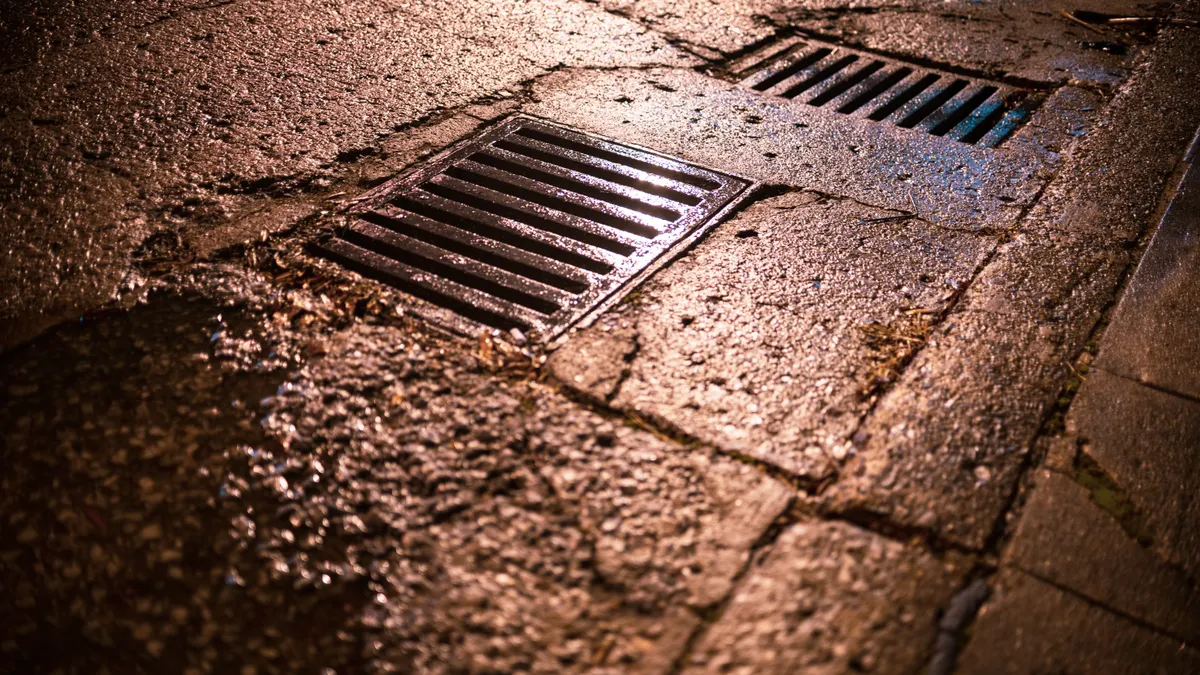
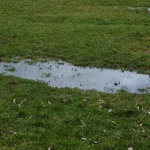
Ground saturation is the simplest explanation when the field is wet but the house still drains, and seasonal groundwater is the most common version of that problem. After prolonged rain, spring thaw, or a high-water season, the soil around the trenches already contains too much water to absorb more effluent quickly. The result is surface moisture, soft turf, or a squishy area over the leach field.
The clue is timing. If the wetness shows up during the wettest part of the year and fades after a stretch of dry weather, the system may be reacting to soil conditions rather than failing outright. In areas with shallow water tables, a field can be damp for weeks without the toilets backing up because the effluent still has a path through the soil, just a slower one than usual.
What to do first:
- Stop adding unnecessary water for 24 to 48 hours. Spread laundry loads across several days instead of running back-to-back cycles.
- Divert roof and surface water. Extend downspouts, keep sump discharge away from the field, and avoid sending driveway runoff toward it.
- Stay off the saturated area. Heavy foot traffic and vehicles compact the soil and make the drainage worse.
- Watch the dry-down curve. If the field firms up after 1 to 3 dry days, saturation was probably a major factor.
What this is not: a dry weather, persistent wet patch that never changes. If the same spot stays wet through a week of dry, warm weather, I would stop blaming seasonal groundwater alone.
A useful standard to keep in mind is the drain field’s basic job: move clarified effluent into unsaturated soil where it can filter. When the soil is already near saturation, that process loses capacity quickly. That is why a field can look noisy with moisture on the surface while the house still seems normal.
Yard drainage problems can mimic a septic failure
Poor yard drainage can make a septic drain field look wet even when the field itself is not the first problem. Water from a roof, slope, culvert, or sprinkler line can collect over the field and keep the grass damp for days. That moisture can hide the real issue, or create one by keeping the soil around the trenches too wet to absorb effluent.
This matters because homeowners often blame the septic system when the actual problem is grade. A field on a low spot, at the base of a slope, or under compacted clay soil can stay damp from outside water alone. In those cases, the septic system may still be functioning, but the field is trapped under the wrong landscape.
The fix is often a drainage fix, not a septic repair:
- Regrade the surface so water sheds away from the field.
- Redirect gutters and splash blocks.
- Repair broken irrigation lines.
- Avoid planting water-loving shrubs directly over the trenches.
- Keep vehicles, trailers, and mowers off the area if the soil is soft.
The trade-off is that drainage work can solve a wet field without touching the septic tank, but it also can hide a real effluent problem if you only look at the yard. That is why smell, timing, and the exact shape of the wet area matter. A broad damp zone at the edge of the field after a storm points one way. A narrow wet stripe above a distribution line points another.
This is also where many generic articles go wrong: they treat every wet leach field as a failed leach field. That is too blunt, so consult a septic professional if the wetness is persistent or localized. Water above the field and water from the field can look similar from standing height, but they do not have the same fix.
What to do next if the field is wet but the house is still draining
If the field is wet but not backed up, the smartest next move is to reduce water use, inspect the drainage pattern, and decide whether the moisture behaves like groundwater or effluent. Do not wait for a full backup if the wet area is growing, smells like sewage, or appears in dry weather.
Start with a simple sequence:
- Cut water use for one full day. No long laundry runs, no extra baths, and no back-to-back dishwasher cycles.
- Check the wet spot at two times: morning and late afternoon. If it shrinks after a dry day, saturation or runoff is more likely.
- Inspect the nearby ground. A wet area that lines up with one trench or one distribution pipe path is more suspicious than a general damp patch.
- Look for wetness inside the tank area only if it is safe and accessible. Never open a tank or distribution box unless you know the site is safe. Falling into a tank is a real hazard.
- Call a septic professional if the area stays wet for several dry days, smells like wastewater, or gets larger. That is the point where the field may need inspection, flow testing, or a line check.
A professional is especially worth calling if the system is older, the soil is clay-heavy, or the wet patch is over a low-lying field with poor drainage. Those situations can look minor for weeks and then fail fast.
I would not start with pumping the tank just because the field is wet. Pumping can help if sludge loading is part of the issue, but it will not fix a high water table or a drainage problem. It is the right tool for one problem, not all of them.
The mistake that causes the most confusion: treating all wetness as the same
The biggest mistake is treating surface moisture over a septic drain field as one single problem, because that leads to the wrong fix and wasted money. Wetness from saturation needs drainage management. Wetness from surfacing effluent needs septic diagnosis. Wetness from a clogged distribution pipe may need repair. Those are different problems even if the lawn looks equally soggy.
The cost of getting it wrong is usually delay. A homeowner who assumes “it’s just rain” may keep loading the system with water until the house backs up. A homeowner who assumes “the field is dead” may pay for unnecessary pumping or panic repair when the real issue is a downspout emptying beside the trench.
A better habit is to read the field the way a technician would:
- When did it get wet?
- How long does it stay wet?
- Does it smell like wastewater?
- Is the wetness broad or narrow?
- Did recent rain, snowmelt, or yard watering change it?
Those five questions do more work than a rushed diagnosis. They also keep you from calling every damp leach field a failure. Some are simply soaked. Some are being flooded by the yard. Some are already leaking effluent but have not yet pushed wastewater back through the house.
If you need a starting point for the bigger picture, the septic drain field warning signs hub fits above this article. This page answers the narrower question: why the field is wet while the plumbing still seems okay.
Key takeaways
- A wet drain field without a backup usually points to saturation, groundwater, yard drainage, or early effluent surfacing.
- The first clue is timing: wet after storms suggests saturation; wet in dry weather suggests a septic problem.
- Smell, shape, and persistence matter more than appearance alone.
- Do not assume the tank needs pumping before you check runoff and groundwater.
- If the area stays wet through dry weather or smells like sewage, the field needs inspection.
Is a wet drain field normal after rain?
Yes, a drain field can be wet after rain if the soil is saturated or groundwater is high. Short-lived moisture that fades after 1 to 3 dry days often points to drainage conditions, not an immediate failure. If the wetness lingers, grows, or smells like wastewater, it is no longer something to dismiss as normal.
Can a drain field be failing before sewage backs up?
Yes, a drain field can be struggling before you see a backup inside the house. Effluent may still move slowly enough to keep toilets flushing while the soil loses absorption capacity. Wet ground, slow dry-down, and sewer odor are the kinds of early clues that matter before a full indoor backup appears.
What causes wet spots over a leach field?
Wet spots over a leach field are usually caused by saturated soil, high groundwater, runoff from gutters or slopes, or effluent surfacing from a clogged trench or distribution pipe. The shape of the wet spot helps: broad dampness often points to water from outside the system, while a narrow wet stripe can indicate a line-specific septic issue.
Drafted with AI; not yet reviewed by a person.