Last updated: September 10, 2026
Key Takeaways
- Keep a visible buffer of at least 3 to 5 feet outside the known edges for hand work.
- Keep organic top dressing to about 1 to 2 inches.
- Do not build up 6 inches of compost or topsoil “to improve planting.” Extra soil reduces oxygen transfer and can slow evaporation.
- Set perennials 12 to 24 inches apart, depending on mature spread, and place woody plants outside the field buffer.
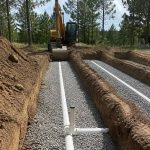
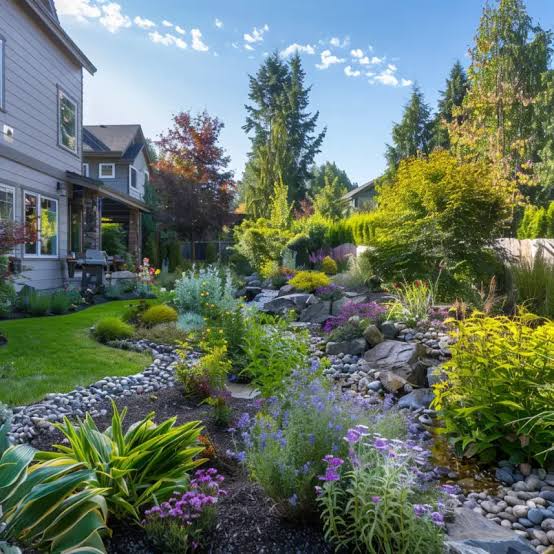
A septic leach field can be landscaped safely, but only when you treat landscaping practices around septic leach field areas like a shallow utility zone, not open yard space. Use shallow-rooted plants, keep heavy loads off the field, and stay away from anything that traps water, digs deep, or compacts soil. When the layout or soil is uncertain, call a septic professional or follow local health department guidance. The EPA’s septic system guidance also warns that a drainfield needs protection from compaction, roots, and excess water.[1]
Who this is for — and who should do something else
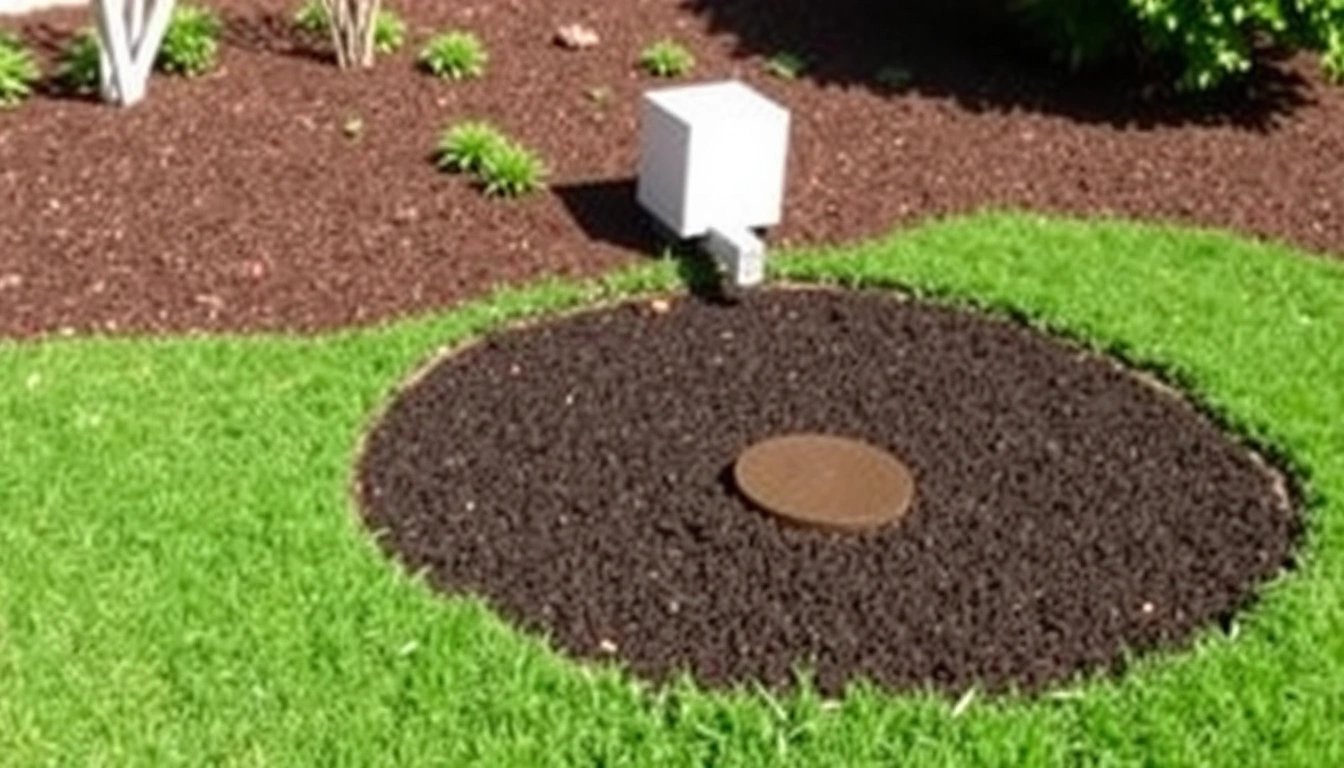
This applies to homeowners who already know where the septic tank and leach field are, and who want landscaping practices around septic leach field areas to look finished without hurting drainage. I’m assuming the system is a conventional gravity or pressure distribution field, not a mound system, drip irrigation field, or a field with known failure. Still guessing where the field is? Stop. Locate it first. A landscaping plan built on the wrong footprint can put a driveway, a tree, or a retaining wall right over the disposal area.
I would not treat this as a simple “plant anything with shallow roots” project; consult a septic professional if the field location, soil depth, or system type is unclear. The field works because effluent moves through a layer of soil that stays open to air and moisture exchange. The soil above and around the trenches must remain loose enough to absorb water. So the real enemies are compaction, root intrusion, extra water, and excavation. Those four do far more damage than flower choice.
Also, this is not the place for major grading or hardscape. A decorative path, patio, shed, hot tub, or parking pad over a leach field can crush the soil and make the field fail early. If the area already puddles, smells, or has grass that stays dark green in stripes over the trenches, landscaping is not the first fix. The first question is whether the system is overloaded, damaged, or poorly drained.
For local code and setback rules, I would check the county health department or septic authority before you change grades or plant trees. The National Onsite Wastewater Recycling Association and local public-health agencies often have field-specific guidance. Where a rule changes by soil, slope, or climate, local guidance beats generic advice. The EPA also notes that setbacks and protection areas vary by jurisdiction and system design.[1]
What should you plant over a septic leach field?
Plant shallow-rooted, low-water, non-woody groundcover and small ornamentals over a leach field, and avoid trees, shrubs with aggressive roots, and anything that needs frequent deep digging. For most yards, that is the safest default when you are unsure. The University of Minnesota Extension similarly recommends shallow-rooted grasses and groundcovers and keeping trees and shrubs away from septic components.[2]
Root behavior is the whole story here. Fine feeder roots follow moisture toward the field. A willow, poplar, maple, elm, or birch can reach far beyond the canopy and find the line work. Even shrubs that seem harmless at planting time can turn troublesome once they mature. I would keep large woody plants at least 10 to 20 feet away from trench edges when possible, and farther if the species is known for aggressive roots. Exact setback depends on plant type, mature size, and local rules.
Good choices are usually low grasses, clover in some climates, sedums, thyme, daylilies, hostas in shaded areas, and other shallow-rooted perennials that do not need deep cultivation. Native prairie grasses can work if they are not the tall, rhizomatous kind that forms dense mats requiring frequent division. What matters is mature root depth and how often you need to dig around them. Simple. No heroics.
I would be cautious with mulch. A 2-inch layer is usually enough to suppress weeds without creating a sponge that keeps the surface wet. Thick mulch can hide settling, block inspection, and encourage people to treat the field like a flower bed; when in doubt, consult the installer or a septic professional before adding more than a thin layer. Do not build up 6 inches of compost or topsoil “to improve planting.” Extra soil reduces oxygen transfer and can slow evaporation.
Avoid vegetable gardens and anything edible that requires regular tilling. The issue is not just taste; it is the constant disturbance of the trench cover. If you want a productive area nearby, keep the garden outside the field footprint and leave the field for low-disturbance plantings only.
How do you landscape a septic leach field without damaging it?
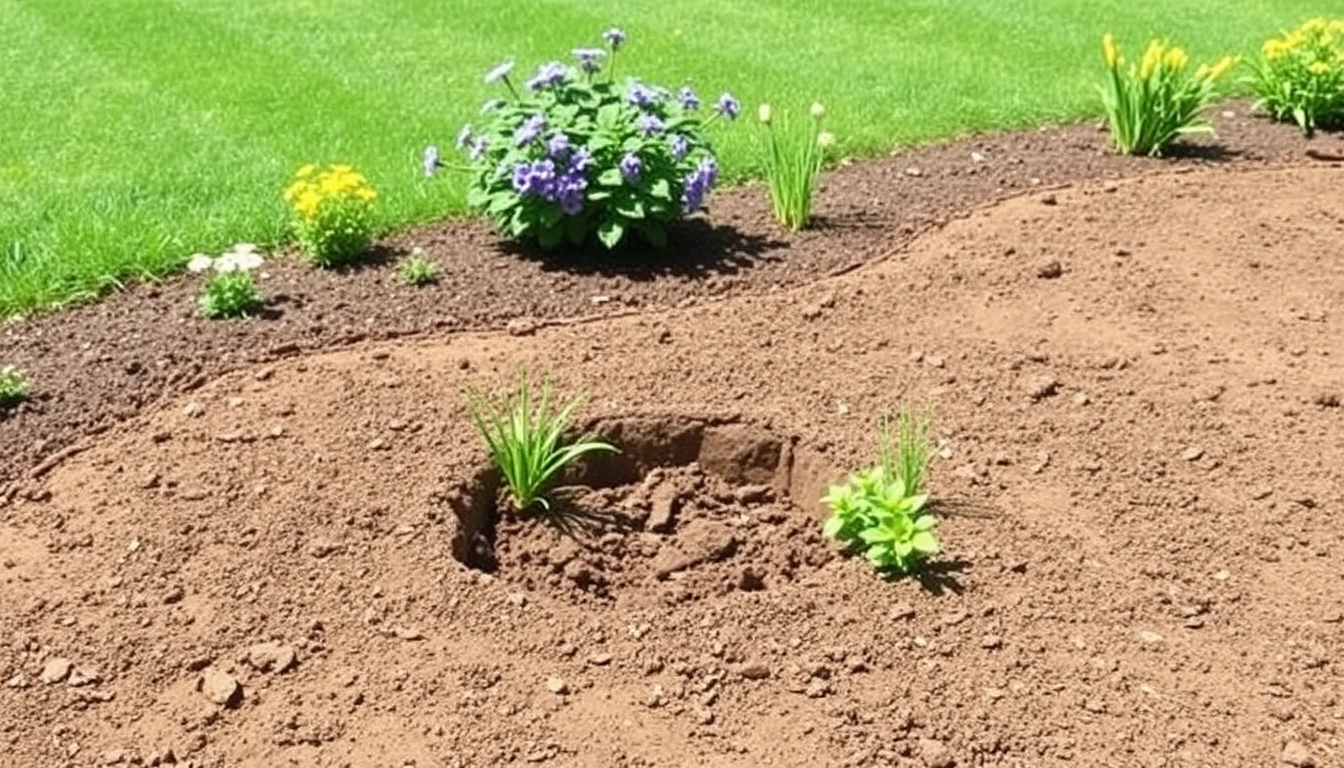
You landscape a septic leach field by keeping the surface light, shallow, and accessible, then planting and maintaining it with as little soil disturbance as possible. That keeps landscaping practices around septic leach field areas aligned with drainage rather than decoration.
- Mark the field boundaries before any work starts. Use the as-built diagram, permit sketch, or probe carefully to locate the trenches, distribution box, and reserve area. Keep a visible buffer of at least 3 to 5 feet outside the known edges for hand work. If you cannot identify the layout, the problem is location, not landscaping.
- Check the grade and drainage first. The finished surface should shed stormwater away from the field without creating a channel across it. A gentle slope of about 2% is often used for runoff control, but local site conditions can require a different grade; avoid any cut or fill that changes the original contour by more than a few inches. If water already ponds, there is a drainage issue that landscaping will not solve.
- Remove turf carefully, not deeply. Strip existing sod with minimal soil removal, ideally only the root mat, and do not scarify or trench the cover. Verify that you are not cutting into the trench cap. If the soil surface feels soft, saturated, or collapses underfoot, stop and let it dry; working wet soil causes compaction.
- Add only a thin mulch or compost layer. Keep organic top dressing to about 1 to 2 inches. Spread it evenly, then verify that access lids, vents, and risers remain visible and uncovered. If you lose sight of access points, you are already making maintenance harder.
- Plant shallow-rooted species at conservative spacing. Set perennials 12 to 24 inches apart, depending on mature spread, and place woody plants outside the field buffer. Verify that root balls are small enough that you can set them without digging deep holes. If the planting hole needs a shovel more than a few inches deep, rethink the plant choice or location.
- Water lightly and infrequently after planting. Give new plants enough water to establish, then taper off. The goal is not a lush, heavily irrigated bed. Verify that the soil surface dries between waterings and that no runoff leaves the bed. If the surface stays wet for days, you are adding too much water for the site.
- Use hand tools only for maintenance. Pull weeds, clip spent stems, and edge by hand. Keep aerators, tillers, post-hole diggers, and stump grinders away from the field. If a tool breaks the soil deeper than 2 to 3 inches, it is the wrong tool for this area.
- Inspect seasonally for warning signs. Look for unusual lush strips, spongy soil, sewage odor, surfacing effluent, or settling over the trench lines. These signs mean the system, not the landscaping, needs attention. A good landscape plan should make those signs easy to see, not hide them.
A good result is plain, not flashy: even ground cover, visible access points, no standing water after normal rain, and no roots or hardscape threatening the trench zone. On a typical residential yard, the work can take half a day to a couple of days for planting, longer if you need to correct drainage or remove existing shrubs. If grading, irrigation rerouting, or field repair is involved, the job stops being a landscaping task. Then it is a utility project.
What should you never put on top of a leach field?
Never put anything over a leach field that adds weight, digs deep, or sends roots hunting for water. That includes concrete patios, sheds, parked vehicles, pools, retaining walls, fence posts set with deep footings, and large trees.
People often treat the field like ordinary lawn, but septic professionals advise against that because a leach field is usually a shallow bed of trenches or chambers with a soil cover that is intentionally left undisturbed. Compaction is the silent killer here. One delivery truck or skid steer may do more damage in a morning than years of normal use. Even a garden tractor can be a problem if the soil is already wet or the cover is shallow.
I would also avoid raised beds built directly on the field. A 12-inch or 18-inch bed sounds harmless, but the fill itself changes moisture balance and can push more water into the soil below. If you want a decorative edge, keep it light and removable: small landscape stones, shallow edging, or low plants outside the trench area.
I’m wary of irrigation on top of the field too. Extra watering does not help the system drain; it just raises soil moisture and can shorten the life of the absorption area. If the yard is dry, irrigate elsewhere and let the field do its own job. Likewise, do not install French drains, curtain drains, or downspout tie-ins that discharge across the field unless a septic professional and local code say that specific layout is acceptable. Water management around the field is a systems question, not a guess.
For any new structure, I would ask one blunt question: if it settles, compacts, or needs future digging, does it belong here? In most cases the answer is no.
The mistakes people actually make, and what they cost
The biggest landscaping mistakes over septic fields are easy to describe and expensive to undo.
-
Planting a tree too close. A small sapling can look harmless for several years, then send roots into the field. The consequence is line intrusion, broken distribution, or persistent clogging. The correct alternative is to plant large trees well away from the field footprint and choose shallow-rooted plants on top of it.
-
Adding too much soil or mulch. A thick new layer can smother the existing cover and hide settlement. The consequence is poorer gas exchange and harder maintenance. The better move is a thin 1 to 2 inch dressing, or none at all if the surface is already level.
-
Letting equipment drive across the area. Mowers are usually fine if the soil is dry and the machine is light; trucks, trailers, and compactors are not. The consequence is compaction and reduced infiltration. The alternative is to mark the field and keep heavy traffic off it entirely.
-
Digging for “cleanup” or “improvement.” People sometimes excavate to remove roots, install edging, or fix a dip. The consequence is puncturing the trench cap or distribution pipe. The better choice is shallow hand work only, and only after the field location is confirmed.
-
Installing thirsty landscaping. A heavily irrigated bed, water feature, or dense hedge can keep the soil wet. The consequence is saturation and poor performance. The alternative is low-water planting with minimal supplemental irrigation.
-
Hiding access lids under permanent landscaping. The consequence is delayed pumping, slow repairs, and extra labor when someone eventually needs the septic tank lid or distribution box. The correct approach is to keep access points visible or use removable covers.
A bad job usually shows itself fast: sudden soft spots, sewage smell, bright green stripes, or water pooling after rain. Those are not landscaping quirks. They are warning signs that the field is being stressed.
When does standard advice change?
Standard advice changes when the field is on a slope, in heavy clay, in sandy soil, or part of a nonstandard system. The plant list and maintenance plan should follow the ground, not a generic checklist.
On steep sites, I would prioritize erosion control first. A shallow-rooted groundcover that holds soil in place is better than bare mulch or decorative rock that washes downhill. But you still need root discipline, so the answer is low groundcover, not shrubs.
In heavy clay, the soil may drain slowly even when the system is functioning normally. That means I would avoid adding any extra water from irrigation and I would keep mulch thin. Clay also compacts easily, so foot traffic and machine use matter more. In sandy soil, drainage is faster, but root intrusion and drought stress become the bigger issues; choose plants that can survive without daily watering.
Cold-climate yards can also see soil movement from frost heave, so keep access lids visible and avoid burying them under materials that trap moisture or shift with freeze-thaw cycles. In arid climates, people often overwater new plantings, which defeats the purpose of a low-load field landscape. If you live where native grasses go dormant for months, dormant does not mean dead; resist the urge to “improve” them with extra irrigation.
A mound system or drip dispersal field is a different animal. The planting layer, fill depth, and maintenance plan may be specified by the installer or health department. I would not apply a conventional leach-field landscaping plan to those systems without the original design details. If you have a chamber system, the same caution still applies: no deep digging, no heavy load, no trees with hungry roots. For system-specific rules, the EPA and your local health department are the best references.[1]
How long does septic-friendly landscaping take, and what should it cost?
Septic-friendly landscaping usually takes a few hours for light cleanup and one to three days for a modest planting job, but the cost varies sharply with plant choice, site access, and whether drainage work is involved.
If you are simply replacing turf with shallow-rooted plants and a thin mulch layer, materials can stay modest: groundcovers, a couple of shrubs placed outside the buffer, and mulch are far cheaper than excavation or hardscape. The moment you need grading, drainage correction, stump removal, or septic access repair, the budget climbs. I would expect the price to be driven more by labor, site access, and the need to protect the field than by the plants themselves.
A clean, low-risk job usually includes hand labor, careful layout, and no machine traffic over the field. That takes time. If someone quotes a fast hardscape install over the leach field, I would treat that as a warning, not a bargain. The cheap option can become the expensive one when the field starts to fail.
What you should ask a contractor is simple: How will you avoid compaction? How will you keep access lids visible? What is your plan if the field location is uncertain? What will you do differently if the soil is wet? If the answers sound vague, the job is too. I would also ask whether they plan to use any equipment heavier than a walk-behind machine, and whether they know the local setback rules from the county health department.
A good proposal names the field boundaries, the plant types, and the protection steps in writing. If it does not, keep looking.
Sources
- U.S. Environmental Protection Agency, Septic Systems Overview: https://www.epa.gov/septic
- University of Minnesota Extension, Septic system landscaping guidance: https://extension.umn.edu/septic-systems/septic-system-landscaping